Planning updates to your Bel Air home and wondering what will truly pay? You are not alone. In luxury neighborhoods, it can be hard to know which projects boost your sale price and which simply add cost and time. This guide breaks down upgrades that move the needle in Bel Air, what to skip, realistic costs and timelines in Los Angeles, and how to make a smart plan before you start. Let’s dive in.
What drives value in Bel Air
Bel Air buyers expect privacy, quality, and a polished lifestyle experience. Large lots, hillside settings, and views set the tone, and outdoor living is part of the everyday routine. In this market, your closest comparable sales often set the ceiling for value more than any single high-end finish.
Return on investment works differently at the top of the market. Percentage ROI can look lower because premium materials and custom work are expensive, yet the dollar impact on price and time-to-sale can be significant. Your best strategy is to match neighborhood standards, reduce buyer friction, and present a move-in-ready experience.
Renovations that pay in Bel Air
Elevate the kitchen
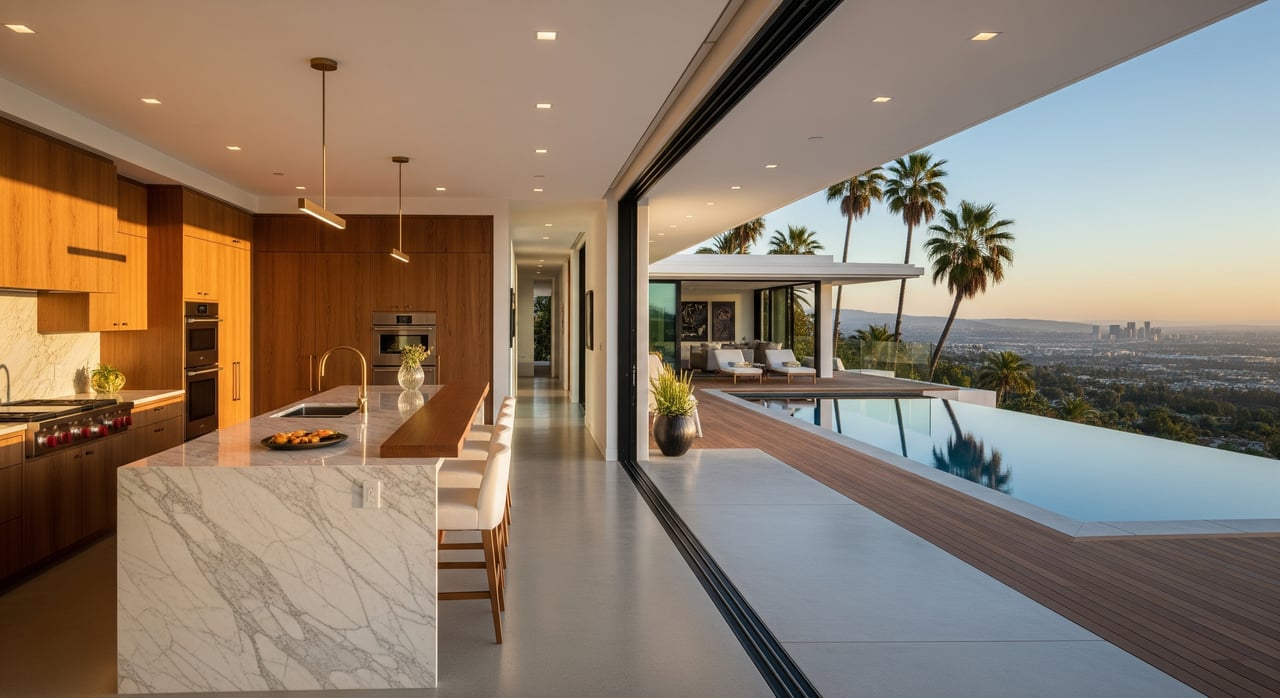
A high-end kitchen remains the heartbeat of a luxury home. Buyers look for professional-grade appliances, generous islands for entertaining, and quality cabinetry and stone. If a full renovation is not in scope, a targeted refresh can help: upgraded appliances, cabinet refacing, modern lighting, and a functional island. Done well, a kitchen upgrade improves buyer appeal and list price positioning.
Upgrade the primary bath
The primary ensuite should feel like a spa. Emphasize double vanities, a large walk-in shower or steam feature, high-quality tile, and great lighting. Heated floors and a separate water closet add comfort and privacy. Keep the palette neutral and the design uncluttered to appeal to a broader buyer pool.
Design outdoor living
Outdoor spaces are essential in Bel Air. Think generous terraces, covered dining, an outdoor kitchen, fire features, and integrated lighting. If you have a pool, modernization can help: clean finishes, automation, and current safety features. Use drought-tolerant plantings and smart irrigation to respect water guidelines while elevating curb appeal.
Refresh systems and safety
In a high-end market, buyers expect a home with strong bones. Replacing or repairing aging HVAC, roof, electrical, and plumbing reduces inspection issues and renegotiations. For hillside properties, consider seismic retrofits and structural reviews. Document everything with permits, warranties, and invoices to support your price and speed up closing.
Integrate smart home and security
Well-executed automation is increasingly expected. Prioritize a unified, scalable system for lighting, climate, AV, access control, and cameras. Organize wiring and technology closets for clean presentation. The goal is convenience, privacy, and reliability without a tangle of mismatched devices.
Add energy and sustainability features
Energy-efficient upgrades resonate with many Los Angeles buyers. Solar with permitted installation, battery storage, and EV charging can differentiate your property. High-efficiency HVAC, insulation, and quality windows improve comfort and operating costs. Keep permits, warranties, and any incentive documentation accessible for buyers and appraisers.
High-impact projects with variable ROI
Build an ADU
Accessory Dwelling Units can add income potential and flexibility for multigenerational living. Los Angeles rules are relatively permissive, which supports demand. Costs are high, and success depends on design, permitting, utilities, and how the ADU compares with local demand. For some properties this is additive; for others, the percentage return may be modest.
Add square footage strategically
Additional living area can pay when it aligns with neighborhood norms. An added ensuite bedroom, a proper office, or improved circulation can reposition a home against renovated comps. Weigh costs, hillside complexities, and permit timelines carefully. Always compare proposed plans to recent Bel Air sales before committing.
Create specialty rooms with flexibility
Home theaters, wine rooms, and gyms help you compete in the luxury tier. Design them to be multi-use so they appeal to more buyers. Flexible spaces photograph well, stage beautifully, and protect resale if a buyer’s lifestyle needs differ from yours.
Projects to pause or keep simple
- Ultra-personalized or niche luxury features that exceed local norms
- Mid-range finishes that feel out of place on a large estate
- Cosmetic touch-ups that ignore layout, systems, or curb appeal
Focus your budget where it aligns with buyer expectations and where comps support the outcome. Keep finishes neutral and timeless to protect resale.
Budgets and timelines in Los Angeles
Costs in high-end Los Angeles vary widely based on finishes, site conditions, and labor. Plan conservatively and get three detailed, competitive bids.
- High-end kitchen renovation: budget from low six figures into several hundred thousand dollars
- Luxury primary bathroom: tens of thousands into the low six figures
- Pool construction or renovation: low six figures upward depending on complexity and landscaping
- ADU: mid six figures and up, driven by utilities, access, and site work
Timelines reflect design, permits, materials, and contractor scheduling.
- Cosmetic projects: weeks to a couple of months
- Major kitchen or bath: several months from design to completion
- Additions, pools, hillside grading, and ADUs: 6 to 18 months or more depending on reviews and approvals
Include a 10 to 20 percent contingency for cost and time. Early planning helps you avoid change orders and delays.
Permits and hillside rules in Bel Air
Most projects in Bel Air fall under the City of Los Angeles Department of Building and Safety. Expect to submit plans stamped by licensed professionals for substantial work. Hillside development rules can trigger geotechnical reports, additional structural design, and longer review timelines.
Electrical, plumbing, and mechanical work require permits and inspections. California Title 24 energy codes apply to many renovations, so factor compliance into design and cost. ADUs benefit from streamlined city rules, but they still require complete plans, utilities, and zoning checks.
Many hillside parcels fall within areas with fire and brush clearance requirements. Plan for defensible-space landscaping and material selections that meet local guidelines. Water-wise landscaping and irrigation are also important in Los Angeles and are increasingly expected by buyers.
How upgrades influence appraisal and sale
Appraisers rely on comparable sales. Renovations that bring your home in line with the best nearby comps help most. Ultra-unique features can be hard to value, which may limit their impact on appraisals.
Keep organized records for every upgrade. Permits, warranties, invoices, and manuals reassure buyers and support valuation. In California, some additions or new construction can increase assessed value. Consult the Los Angeles County Assessor or a tax professional for specifics.
A simple plan to decide your scope
Start with a local CMA. Compare your property to recent renovated and unrenovated sales to set a clear target.
Inspect major systems. Address roof, HVAC, electrical, plumbing, and any seismic or foundation concerns first.
Align with buyer expectations. Prioritize kitchen, primary bath, outdoor living, privacy, and smart-home features.
Keep design neutral. Choose timeless, high-quality finishes that photograph well and appeal broadly.
Build a realistic budget. Include a 10 to 20 percent contingency and plan for permit time and material lead times.
Get three bids. Require detailed scopes, references, and proof of licenses and insurance from contractors.
Verify permits. Confirm status of prior work and obtain permits for new work to avoid escrow issues.
Prepare for launch. Plan professional staging, outdoor styling, and high-quality photography to showcase the upgrades.
If you are buying with upgrades in mind
- Focus on structure and site first. Hillside feasibility, access, and utilities shape your true cost and timeline.
- Prioritize systems. A property with solid infrastructure is a better canvas for luxury finishes.
- Model your scope against comps. Target the features that Bel Air buyers pay for, not just what is trendy.
- Document early. Keep a clean paper trail from day one to support future resale and appraisal.
Ready to plan your Bel Air upgrade
If you want to invest where it matters, start with local market clarity and a tailored scope. Our team brings neighborhood specialization, a refined marketing process, and concierge coordination to help you decide where to spend, how to phase work, and when to list. For a discreet conversation about your goals and a comp-backed plan, schedule a Private Consultation with The Alligood Group.
FAQs
Do new pools increase value in Bel Air?
- A modern, well-integrated pool can improve marketability and help your price, but returns vary based on design quality, site, and how much usable outdoor space remains.
Is building an ADU in Bel Air worth it for resale?
- It can be, especially for flexibility or income potential, but costs, permits, utilities, and local demand determine the payoff. Model it against nearby sales before committing.
How much does a luxury kitchen remodel cost in Los Angeles?
- In Bel Air, a high-end kitchen often runs from the low six figures into several hundred thousand dollars depending on scope, finishes, and site complexity.
Will solar and an EV charger add value to my home?
- Energy upgrades often improve buyer appeal and operating costs. Permitted installation, transferable warranties, and clear documentation support resale.
Do I need permits for a bathroom remodel in Los Angeles?
- Most substantial bathroom work triggers permits and inspections for plumbing, electrical, mechanical, and energy code compliance. Always confirm requirements before starting.
How long do hillside permits typically take in Bel Air?
- Expect longer timelines than flat lots. Geotechnical reports, structural design, and extra reviews can extend the process to several months before construction begins.