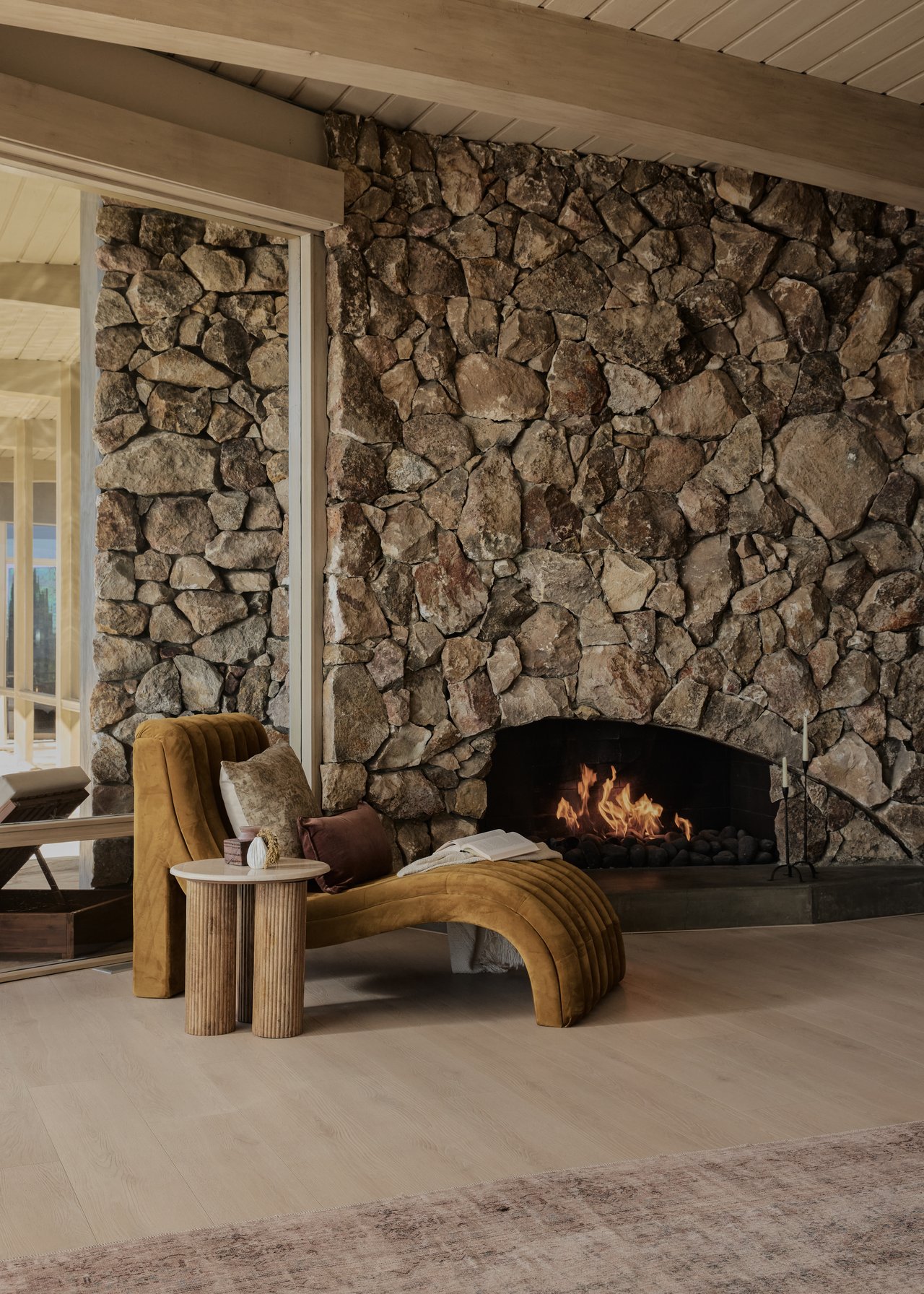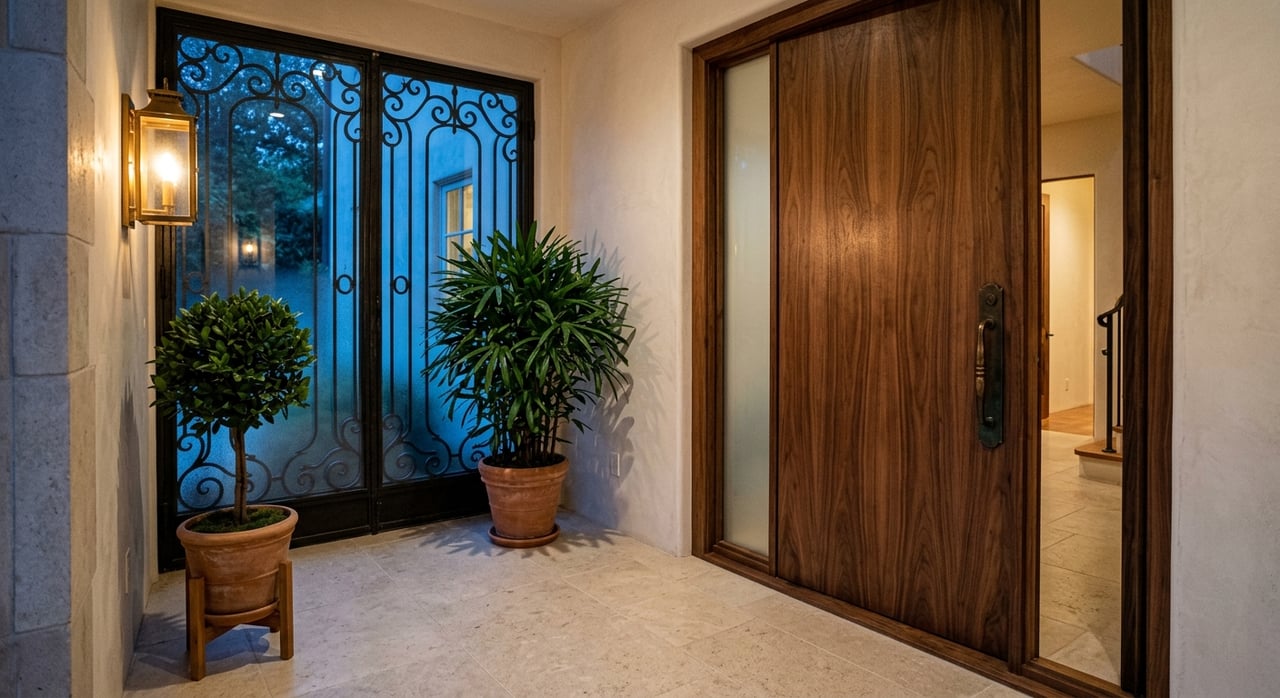
If you picture Bel Air gated living as one single guarded neighborhood, you may be surprised by what you find on the ground. In reality, Bel Air is more layered than that, with private streets, gated enclaves, HOA-governed communities, and secluded estate pockets that each function a little differently. If you are considering a move here, understanding those differences can help you buy with more clarity and fewer surprises. Let’s dive in.
Bel Air Gated Living Is Not One Size Fits All
Bel Air is best understood as a collection of distinct residential areas rather than one uniform gated subdivision. The Bel-Air Association says the neighborhood includes more than 2,000 properties, and local records show multiple separate residential groups, including Bel-Air Crest Master Association, Bel-Air Ridge HOA, Bel-Air Glen HOA, Casiano Estates HOA, and Bel-Air Hills Association.
That matters because your day-to-day experience can vary significantly depending on the enclave. Some areas sit on fully private streets, some have controlled access points, and others offer privacy through hillside topography, estate setbacks, and limited through traffic rather than a single front gate.
Why Bel Air Feels So Private
Part of Bel Air’s appeal comes from its physical layout. SurveyLA noted steep hillsides, narrow winding roads, and dead ends throughout the area, along with many homes located on private streets or within gated communities.
That terrain naturally limits visibility and access. In some pockets, homes are also oriented toward the rear to capture views, which means the street-facing impression may reveal very little about the scale or setting of the estate behind it.
Historic And Planned Residential Pockets
Bel Air also includes recognized planning and historic pockets such as the Bel Air Estates Residential Planning District, the Stone Canyon Road Residential Historic District, and the Moraga Drive Residential Historic District. These designations help explain why the neighborhood can feel highly curated, layered, and architecturally distinct from one street to the next.
For you as a buyer, this means privacy is not delivered in just one format. It may come from a staffed or controlled entrance, a private roadway, an HOA-managed enclave, or simply the low-visibility character of a hillside estate street.
What Access Looks Like Day To Day
One of the most practical parts of gated living in Bel Air is how access works for residents, guests, deliveries, and service providers. In hillside areas with private roads and secured entries, access management is often part of daily life rather than an occasional concern.
The Los Angeles Fire Department states that public streets may not be closed by a security gate. On private streets, access roads, and fire lanes, gates must keep routes unobstructed and include approved override or fail-safe systems so emergency responders can enter quickly.
Guests, Vendors, And Service Entry
Depending on the enclave, guest access may be simple or more structured. Some communities rely on private gate systems, entry protocols, or resident approval before visitors can enter.
Bel Air Ridge provides a useful example of how specific these rules can be within one HOA. Its park gate locks at sunset, guests must be accompanied by a resident, dog walkers must be registered, and each family unit may bring up to three guests to the park at one time. Its fitness center also uses key-fob access and requires guest sign-in.
These are not neighborhood-wide rules for all of Bel Air. Still, they show the level of control you may encounter in a gated or amenity-rich enclave.
Emergency Access Matters In The Hills
In Bel Air, privacy and access have to coexist with fire safety. That is especially important in hillside settings where road width, turnarounds, grades, and gate systems can affect emergency response.
LAFD’s Hydrants and Access Unit reviews secured entrances along with turning radii, parking restrictions, overhead clearances, load capacity, and related access conditions. The Bel Air Association has also reminded residents to keep 3 to 4 feet clear around hydrants and avoid parking in ways that block access on narrow roads.
Parking And Street Logistics
For many buyers, this becomes a lifestyle consideration as much as a safety issue. If you own on a narrow private or semi-private street, you may need to think more carefully about guest parking, vendor staging, and how vehicles are positioned during events, maintenance, or emergencies.
That does not diminish the appeal of Bel Air living. It simply means the operational side of the property deserves as much attention as the architecture, views, and privacy.
HOA Rules, Dues, And Shared Responsibilities
Another key point is that Bel Air does not operate under one master HOA. Local neighborhood council records confirm that multiple stakeholder groups and associations operate across the broader area.
As a result, dues, maintenance obligations, architectural standards, and community rules can differ sharply from one property to another. Two homes with a similar Bel Air address may come with very different ownership obligations.
What HOA Dues May Support
Under California Civil Code, associations must levy regular and special assessments sufficient to perform their obligations, and unless governing documents say otherwise, the association is responsible for repairing, replacing, and maintaining common areas.
In practical terms, that can mean dues may support items such as:
- Private road maintenance
- Gates and entry systems
- Landscaping in shared areas
- Lighting
- Security-related infrastructure
- Community amenities
You should also be aware that special assessments may arise when major repair or improvement costs exceed routine operating budgets.
Amenities Can Be Part Of The Package
Some Bel Air enclaves pair privacy with a more amenity-driven lifestyle. Bel Air Ridge, for example, states that it includes 377 residences on about 100 acres and offers tennis courts, a pickleball court, pools, spa, clubhouse, fitness center, private park, and Firewise recognition.
That example shows how gated living in Bel Air can mean more than controlled access. In some communities, it also includes shared recreational spaces, organized upkeep, and a more structured residential environment.
Remodeling Often Requires More Coordination
If you plan to renovate or expand a Bel Air property, it is wise to expect more process, not less. In certain areas, estate-scale remodeling may require formal review in addition to city approvals.
The Bel Air Association’s architectural application calls for CC&Rs, fees, plans, a construction impact and management plan, a tree report, and details on where workers and large trucks will park or stage. That is a strong sign that design review and construction logistics can be a meaningful part of ownership.
Why Construction Planning Matters
SurveyLA found many properties were difficult to access from the public right-of-way because they sat on private streets or within gated communities. Combined with Bel Air’s narrow roads and hillside layout, that can affect inspections, deliveries, contractor access, and major remodel timelines.
If you are buying with renovation in mind, this is one of the most important due diligence topics to explore early. A property’s privacy can be a major asset, but it may also require more coordination behind the scenes.
Wildfire Readiness Is Part Of Ownership
Bel Air’s hillside setting also makes wildfire readiness an essential part of estate upkeep. LAFD brush-clearance rules require year-round vegetation management in Very High Fire Hazard Severity Zones.
Requirements include maintaining hazardous vegetation within 200 feet of structures and 10 feet of combustible fences or roadways, keeping grass to 3 inches, trimming trees, clearing roofs of combustible debris, and disposing of cut vegetation properly. LAFD also states that brush clearance should not be done on red-flag days.
Privacy Comes With Stewardship
This is one of the clearest trade-offs in Bel Air gated living. Mature landscaping, secluded lots, and hillside topography can create a remarkable sense of retreat, but they also require active upkeep.
The Bel Air Association’s mission includes street and landscaping maintenance, emergency preparedness, neighborhood watch, wildlife watch, and architectural integrity. That helps frame Bel Air not just as a luxury address, but as a stewardship-heavy ownership environment.
What Buyers Should Ask Before They Purchase
Because Bel Air gated living varies so much by enclave, due diligence should go beyond the usual checklist. You will want to understand how the specific property functions day to day, not just how it looks during a showing.
A few smart questions include:
- Is the street public, private, or access-controlled?
- Are there HOA dues or possible special assessments?
- What rules apply to guests, vendors, and service providers?
- Are there architectural review requirements for future work?
- How are road maintenance, gate systems, and common areas handled?
- What wildfire-preparedness obligations apply to the property?
- Are there site-access limitations for construction, deliveries, or large vehicles?
In a market like Bel Air, these details shape ownership experience in very real ways. The right guidance can help you evaluate privacy, logistics, and long-term upkeep with the same care you give location and design.
If you are exploring Bel Air and want a more tailored read on gated enclaves, private streets, or estate-specific due diligence, The Alligood Group can help you navigate the market with discretion and local insight.
FAQs
What does gated living in Bel Air usually mean?
- In Bel Air, gated living can mean a private street, an access-controlled enclave, an HOA-managed community, or a highly secluded estate area rather than one single gated subdivision.
Are all Bel Air homes part of one HOA?
- No. Local records show multiple separate associations and residential groups, so fees, rules, and maintenance responsibilities can vary from one enclave to another.
What should buyers know about guest access in Bel Air gated communities?
- Guest access depends on the specific community or street. Some enclaves have structured entry rules, resident accompaniment requirements, or sign-in procedures for certain amenities.
What should buyers know about fire safety in Bel Air hillside properties?
- Buyers should know that gates on private access routes must allow emergency entry, and properties in wildfire-prone areas may have ongoing brush-clearance and access-related upkeep requirements.
What should buyers know about remodeling a Bel Air property?
- Buyers should expect that some properties may require architectural review, construction management planning, and added coordination for worker access, truck staging, and deliveries.
What should buyers know about HOA dues in Bel Air gated enclaves?
- HOA dues may help cover common-area obligations such as private roads, gates, landscaping, lighting, security infrastructure, or amenities, and some communities may also have special assessments when needed.