If you picture Bel Air as just a famous ZIP code, you miss what makes it memorable. Life in the hills of Bel Air feels quieter, more tucked away, and more landscape-driven than many parts of Los Angeles. If you are considering a move here, it helps to understand not just the homes, but the rhythm of daily life. Let’s take a closer look.
Bel Air Feels Set Apart
One of the first things you notice about Bel Air is that it does not read like a typical city neighborhood. According to the City of Los Angeles, the Bel Air-Beverly Crest area is shaped by the hills and canyons of the Santa Monica Mountains, so streets follow the land instead of a grid, and steep terrain leaves large sections undeveloped. That natural setting is a big part of why the area feels removed from the pace of the city below.
Bel Air’s early development still shapes that experience today. When the first allotment opened in 1922 on 1,700 acres of undeveloped hillsides, developers laid out winding streets to capture mountain, city, and even sea views, while also planting thousands of trees and adding utilities, as documented in the Bel Air-Beverly Crest historic survey. The result is a neighborhood that feels designed around topography, privacy, and long sightlines.
Streetscapes Prioritize Privacy
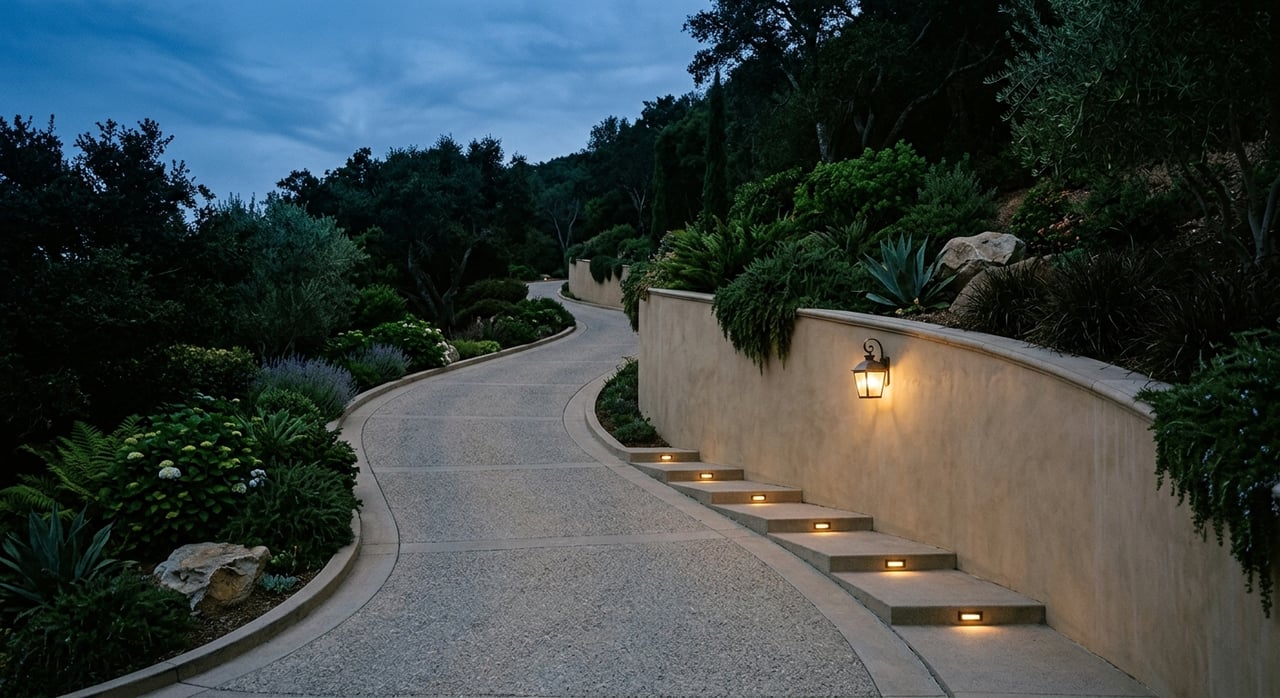
In many parts of Los Angeles, a neighborhood introduces itself right away through storefronts, sidewalks, and visible front elevations. In Bel Air, the experience is different. Many properties sit behind walls, fences, shrubbery, large setbacks, or sloping sites, so the neighborhood often reveals itself in glimpses rather than full views.
That creates a distinct sensory experience. You drive along curving roads, pass gates and hedges, and catch moments of canyon, basin, or treetop views. Instead of a traditional street-front retail strip, Bel Air feels more like a hillside retreat with carefully protected space between homes and the public right of way.
Homes Are Large and Varied
Bel Air is overwhelmingly residential and predominantly single-family, with estate-sized properties especially common in the western portions of the area. The city survey notes that some estates span several acres and may include features such as guest houses, pool houses, tennis courts, swimming pools, extensive gardens, and separate quarters. That scale is part of what gives the neighborhood its sense of calm and separation.
Just as important, the architecture is not one-note. The area includes Mediterranean-influenced homes as well as American Colonial Revival, Tudor Revival, Storybook, Ranch, Mid-Century Modern, and Late Modern examples, with work associated with architects such as Wallace Neff, Paul Williams, Richard Neutra, John Lautner, and A. Quincy Jones, according to SurveyLA documentation. For you as a buyer, that means Bel Air offers range, not a single visual formula.
Views Often Shape the Floor Plan
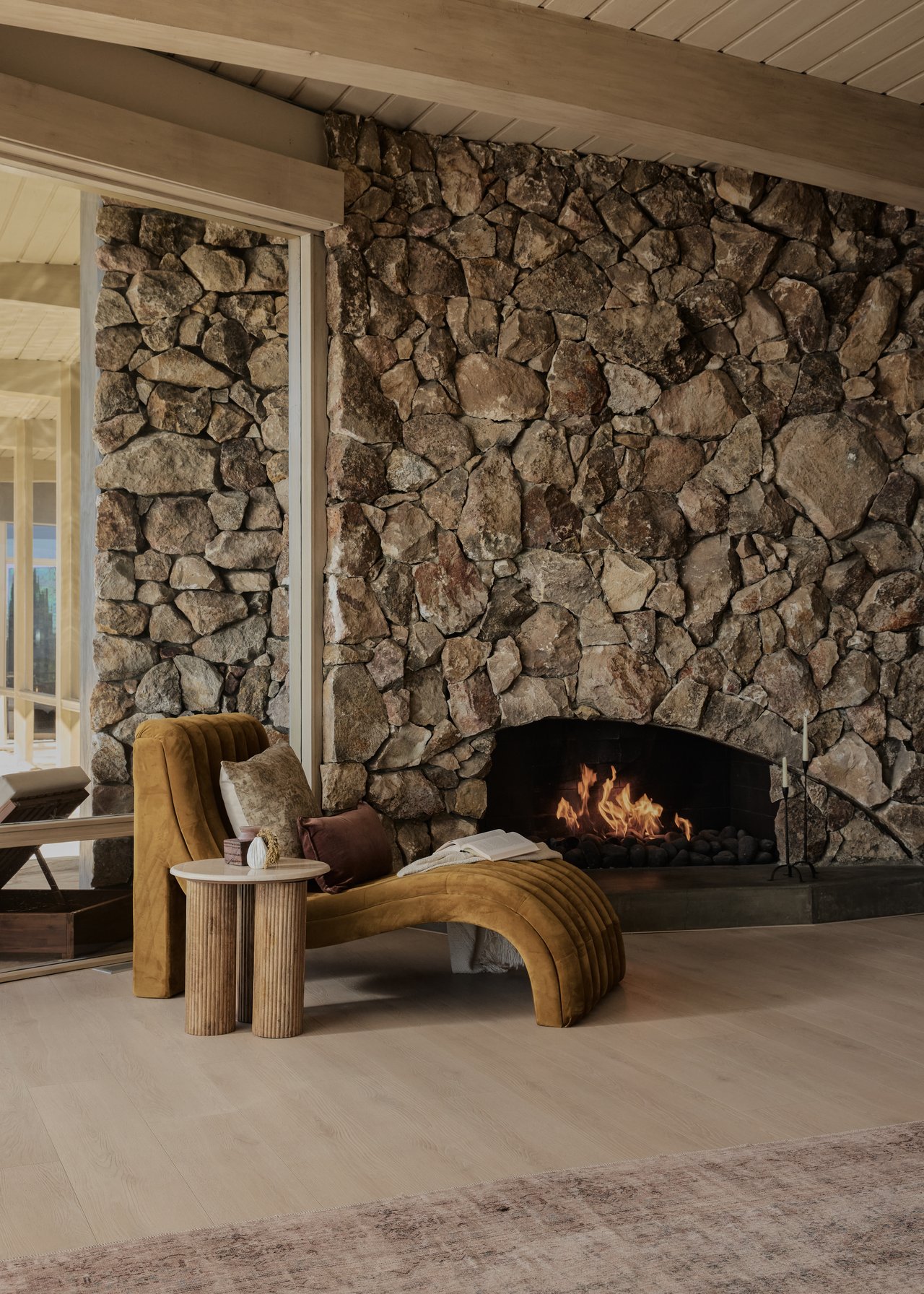
In hillside Bel Air, the most important side of a home is often not the one facing the street. SurveyLA notes that some Mid-Century Modern homes are difficult to fully appreciate from the public right of way because they are oriented toward the rear to take advantage of views. That design pattern helps explain why a home here can feel understated on arrival and dramatic once you move inside.
In practical terms, living spaces often open toward terraces, pools, and panoramic outlooks rather than toward the street. That creates a strong indoor-outdoor relationship and a greater sense of retreat. If you value privacy and a view-driven layout, this is one of Bel Air’s defining qualities.
Daily Life Is Quiet and Car-Oriented
Bel Air-Beverly Crest is largely residential, open, and institutional, with only limited commercial pockets. The city survey notes there are no industrial zones in the area, and neighborhood commercial centers are concentrated in a few places such as upper Roscomare Road, Beverly Glen Circle, and Sepulveda and Moraga. In everyday life, that means the neighborhood tends to feel calm rather than busy.
It also means your routine is usually car-based. The area was designed from the outset for automobile and occasional bus traffic, and many homes sit behind privacy walls, on private streets, or within gated communities. For many residents, that tradeoff is part of the appeal: you get seclusion in the hills while staying connected to the Westside by car.
The Setting Balances Retreat and Access
One of Bel Air’s strongest lifestyle advantages is that it feels secluded without feeling cut off. A few notable institutions are tucked into the hills, including the Bel-Air Country Club, Marymount High School, Harvard-Westlake, the Bel Air Hotel, the Frederick R. Weisman Art Foundation, and the Hannah Carter Japanese Garden, according to the city survey. These are part of the area’s fabric, but they do not create the feel of a conventional main street district.
That balance continues beyond the neighborhood itself. You can live in a quiet hillside setting and still be near museums, shopping districts, university resources, and outdoor escapes. In a city as spread out as Los Angeles, that combination is a major part of Bel Air’s appeal.
Outdoor Time Feels Close By
For nearby nature, Franklin Canyon Park is one of the clearest lifestyle assets. The Mountains Recreation and Conservation Authority describes it as a 605-acre park between Beverly Hills and the San Fernando Valley with a three-acre lake, duck pond, picnic grounds, and more than five miles of hiking trails. The National Park Service also notes that the main trails are suitable for novice-to-intermediate hikers and that the reservoir loop is stroller-friendly.
That kind of access matters if you want your day-to-day routine to include fresh air and open space without a major drive. Bel Air itself is defined by hillsides and greenery, and Franklin Canyon gives you a more direct way to enjoy that landscape. It adds another layer to the neighborhood’s retreat-like feel.
Westside Conveniences Stay Within Reach
Even though Bel Air does not center around a dense commercial core, nearby Westside destinations support daily life. Westwood Village is a nearby district with UCLA and a walkable historic core, and its improvement association says the area includes more than 260 neighborhood-serving businesses, retail options, and restaurants. That makes it a practical destination for errands, dining, and everyday convenience.
Another familiar stop for many Westside residents is Brentwood Country Mart, which describes itself as a Los Angeles institution since 1948 with shops, dining, services, and community events. UCLA is also close by in Westwood, with access tied to the 405 and Sunset corridors, according to UCLA Transportation. Together, these destinations reinforce the way Bel Air works in real life: private at home, connected when needed.
Culture and Views Add to the Lifestyle
For art, architecture, and one of the best public viewpoints on the Westside, the Getty Center is nearby just off the west side of the 405 north of Sunset. Getty describes the site as a museum with gardens, city views, dining, and shopping, with free admission and paid parking. It is the kind of amenity that can easily become part of your regular routine, not just an occasional outing.
This matters because luxury living is not only about what is inside the gates. It is also about how easily you can move between private space and meaningful destinations. In Bel Air, the combination of hillside calm and nearby cultural access helps create a lifestyle that feels both insulated and connected.
Who Bel Air Often Appeals To
Bel Air tends to appeal to buyers who value privacy, larger lots, architectural variety, and a quieter residential setting. If you prefer a neighborhood where homes are often set back, streets curve with the terrain, and views shape the living experience, Bel Air offers a very specific kind of Los Angeles lifestyle. It is less about being in the middle of constant activity and more about having a composed home base above it.
That does not make it disconnected from the city. It simply means the neighborhood experience is defined more by arrival, space, and setting than by walkability or street-front bustle. For many luxury buyers, that distinction is exactly the point.
If you are exploring Bel Air and want a clear, discreet perspective on what fits your lifestyle, The Alligood Group offers tailored guidance across Westside Los Angeles, including private access opportunities and concierge-level support throughout the buying or selling process.
FAQs
What does daily life in the hills of Bel Air feel like?
- Daily life in Bel Air generally feels quiet, private, and car-oriented, with residential streets, limited commercial activity, and easy access to nearby Westside destinations.
What are homes in Bel Air like?
- Homes in Bel Air are predominantly single-family and often estate-scaled, with architectural styles ranging from Mediterranean and Colonial Revival to Mid-Century Modern and Late Modern.
What makes Bel Air different from other Los Angeles neighborhoods?
- Bel Air stands out for its winding hillside streets, large setbacks, view-oriented homes, and secluded setting rather than a traditional city grid or busy retail corridors.
What outdoor amenities are near Bel Air?
- One of the closest outdoor destinations is Franklin Canyon Park, which offers a lake, picnic areas, and more than five miles of hiking trails.
What shopping and cultural destinations are near Bel Air?
- Nearby options include Westwood Village for shopping and dining, UCLA in Westwood, Brentwood Country Mart, and the Getty Center for art, gardens, and city views.