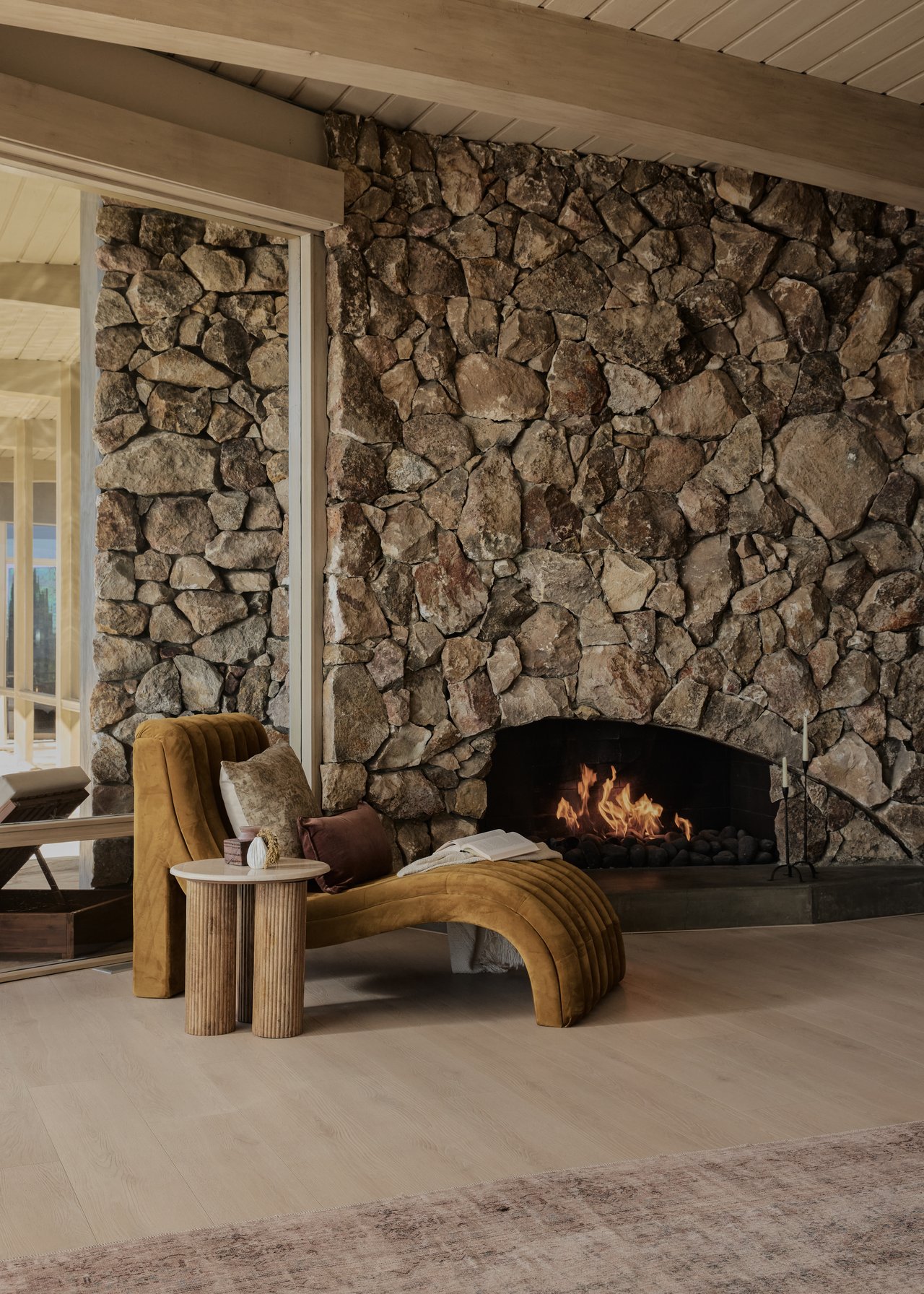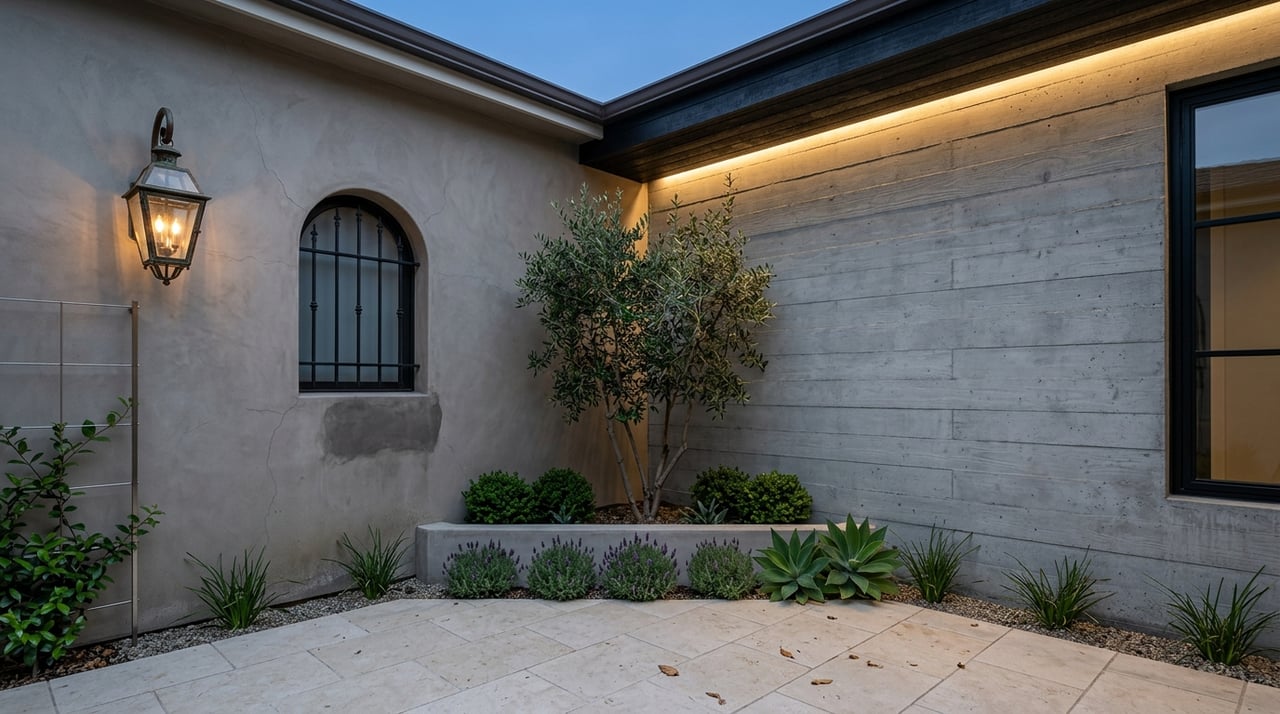
Choosing between sleek new construction and a character-filled vintage residence in West Hollywood is not just a style decision. It can shape how you live, what projects you take on later, and how much diligence you need before you buy. If you want to understand the real tradeoffs in this market, this guide will help you compare both paths with more clarity. Let’s dive in.
Why this choice matters in West Hollywood
West Hollywood is not a market where “old versus new” is a simple comparison. The city has more than 80 designated historic and cultural resources and six historic districts, which means preserved architecture plays a real role in the local housing landscape.
That context matters when you shop. In West Hollywood, a vintage residence may offer architectural identity tied to the city’s preservation story, while a new build may reflect more recent design standards, code requirements, and green-building expectations.
The city has also taken steps to manage neighborhood change. For example, the West Hollywood West overlay was adopted in 2014 in response to a rise in demolitions and replacement projects, with the goal of protecting neighborhood character.
What a new build often offers
If you are drawn to clean lines, modern layouts, and a more current regulatory framework, a newer home may feel like the easier fit. In West Hollywood, new residential development is shaped by current building, planning, and green-building review.
As of January 1, 2026, projects submitted to West Hollywood Building & Safety must comply with the 2025 California Building Codes and 2026 Los Angeles County Amendments adopted by the city. The city also enforces energy conservation regulations, and permit and plan-check services are handled through its online system.
For you as a buyer, that usually translates to a home built within more current standards. It can also mean fewer near-term questions about whether major systems, layouts, or basic performance features are outdated.
Newer homes and green-building standards
West Hollywood’s green-building program applies to development across the city, including new residential projects and remodels. The city says its standards include drought-tolerant landscaping, low-flow plumbing fixtures, and energy-efficient appliances.
The city also describes the program as intended to create buildings that are healthier and more resource-efficient. For a buyer, that can make a newer residence appealing if you value convenience, efficiency, and a more current living environment.
New does not mean less review
A newer property may feel turnkey, but it still moves through a formal approval process. West Hollywood’s planning and building divisions review land-use applications, plan checks, and permitting through the city’s digital system.
That is an important distinction in this market. A new build is not unregulated. It is typically a home that has been reviewed under the latest applicable standards.
What a vintage residence often offers
If you are drawn to original detailing, period architecture, and a stronger sense of place, vintage homes can be especially compelling in West Hollywood. The city frames its preserved buildings as part of the community’s cultural depth and identity.
That helps explain why older residences remain so desirable here. In practical terms, buyers are often responding to features that many newer homes cannot fully replicate, such as architectural style, historic design elements, and a more established visual character.
Character can come with added planning
The appeal of a vintage residence often comes with more questions before and after closing. If you plan to remodel, expand, or significantly alter an older property, West Hollywood may require additional review.
The city requires a Historic Resource Assessment, or HRA, for major alterations or demolition of structures that are 45 years old or older and have not been identified in the city’s historic resource surveys, along with certain surveyed properties. That assessment is used to determine whether the building is a historical resource under CEQA and to evaluate project impacts.
For you, that means the path from purchase to renovation may be more layered than it first appears. A home’s age and survey status can materially affect how easy it is to make future changes.
Seismic retrofit questions matter
Some older wood-frame buildings may also fall under West Hollywood’s mandatory seismic retrofit rules. The city’s SWOF ordinance applies to existing wood-frame buildings with parking or other open floor space at ground level and one or more stories above, where the construction permit was applied for before January 1, 1978.
According to the city’s FAQs, a majority of soft-story retrofits are estimated at $40,000 to $160,000. The city also notes that being on a survey or retrofit list does not by itself mean a building is unsafe. It means further professional evaluation is needed.
That is an important point for buyers comparing a vintage property with a newer one. The issue is not whether older automatically means problematic. It is whether the property may require more investigation, budgeting, and planning.
How to compare new build vs vintage
The best choice usually comes down to what you value most in your day-to-day experience and your long-term plans. In West Hollywood, the split is often less about better or worse and more about lifestyle fit, design priorities, and tolerance for future project complexity.
Here is a practical side-by-side view:
| Factor | New Build | Vintage Residence |
|---|---|---|
| Design feel | Contemporary layouts and cleaner sightlines | Period details and stronger architectural character |
| Building standards | Typically reviewed under more current code and energy rules | May reflect older construction standards |
| Green features | More likely to align with current green-building expectations | May require updates through future remodels |
| Renovation path | Still requires permits and review | May involve HRA, preservation review, or added planning |
| Structural diligence | Often fewer immediate legacy-building questions | Retrofit history and structural review may be more important |
| Buyer fit | Often suits buyers seeking convenience and a more turnkey feel | Often suits buyers seeking character and are comfortable with added diligence |
Questions to ask before touring
Before you spend time touring properties, it helps to narrow your search with a few targeted questions. These can save time and help you avoid falling for a home that does not match your plans.
For any property you are considering, ask:
- What year was the home built?
- Is the property located in a historic district?
- Is the property included in a historic survey?
- Has a Historic Resource Assessment already been completed?
- Are there any seismic retrofit notices, records, or prior retrofit documents?
- Would a planned renovation require additional planning or preservation review?
If you are focused on newer construction, add one more question: was the project reviewed under current West Hollywood building and green-building requirements? If you are focused on a vintage home, ask whether prior retrofits or structural upgrades are documented.
Which option fits your goals?
A newer residence often works well if you want a more current layout, a simpler ownership runway, and fewer near-term upgrade questions. That can be especially attractive if your schedule is full, you are relocating, or you prefer a more streamlined move-in experience.
A vintage residence may be the stronger fit if you care deeply about architecture, original character, and the feel of an established West Hollywood setting. If you are open to more diligence and possible future planning, the payoff can be a home with a distinctive presence that newer construction may not replicate.
In this market, the smartest decision is usually the one that matches both your taste and your tolerance for complexity. The right home is not just the one that looks best on tour. It is the one that aligns with how you want to live, improve, and hold the property over time.
When you are evaluating West Hollywood at this level, local guidance matters. The Alligood Group can help you compare design, diligence, and long-term fit with the discretion and concierge support luxury buyers expect.
FAQs
What makes a West Hollywood vintage residence different from a new build?
- A vintage residence often offers architectural character and original details, while a new build usually reflects more current code, green-building standards, and contemporary layouts.
What should you ask before buying a vintage home in West Hollywood?
- Ask about the year built, historic survey status, historic district location, any completed Historic Resource Assessment, and whether seismic retrofit records or notices exist.
Do West Hollywood new builds still go through city review?
- Yes. Newer projects still move through formal planning, permitting, and plan-check review under the city’s current standards.
When is a Historic Resource Assessment required in West Hollywood?
- The city requires an HRA for major alterations or demolition of structures that are 45 years old or older and have not been identified in city historic resource surveys, as well as certain surveyed properties.
What is the West Hollywood soft-story retrofit program?
- It is the city’s seismic retrofit program for certain older wood-frame buildings with open ground-level space, such as parking, and one or more stories above, generally where the permit was applied for before January 1, 1978.
Are older West Hollywood buildings automatically unsafe?
- No. The city states that inclusion in a survey or retrofit list does not by itself mean a building is unsafe. It means further professional evaluation is needed.