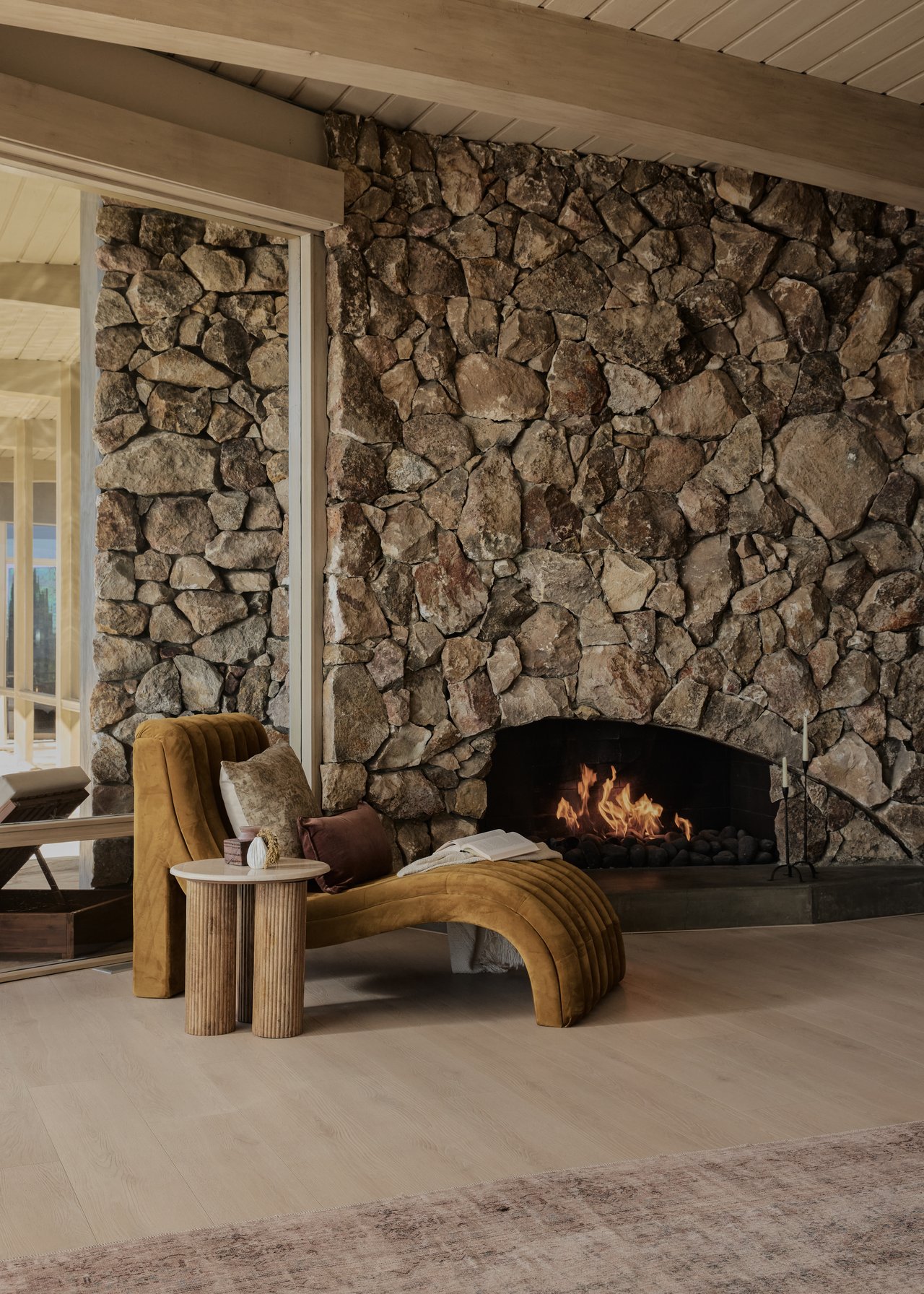
Want your West Hollywood condo to stand out online and in person? In a design-forward market where buyers screen listings on their phones before they ever book a tour, presentation is everything. You want to maximize space and light, sell the lifestyle, and make it effortless for buyers to picture themselves living well. This guide gives you a clear, local staging game plan, from design direction and room-by-room execution to HOA logistics, budgets, and pro photography. Let’s dive in.
Why staging in West Hollywood
West Hollywood buyers are highly design-conscious and expect a polished, turnkey look. Many are professionals in entertainment, tech, or creative fields who value finishes, views, and indoor-outdoor flow. Your staging should showcase scale, light, and lifestyle, not just furniture placement.
Condo inventory ranges from studios to luxury buildings with concierge services, gyms, rooftops, and pools. Effective staging helps buyers connect the space to these amenities and the neighborhood’s walkable dining and cultural scene. Strong listing photos and virtual experiences are especially important since many buyers shortlist properties online first.
Set clear staging goals
Successful condo staging here supports four core goals:
- Maximize perceived space and natural light.
- Communicate lifestyle, including entertaining and outdoor living.
- Spotlight unique selling points like views, balconies, built-ins, and recent upgrades.
- Neutralize personal taste while staying design-forward.
Focus every choice on these outcomes, from furniture scale to lighting and décor.
Design that resonates locally
Lean into an elevated yet approachable West Hollywood look:
- Modern California minimal-luxe: clean lines, warm woods, and curated décor.
- Mid-century accents: a timeless LA note that suits many condo interiors.
- Biophilic touches: plants and natural textures that reinforce indoor-outdoor living.
- High-end neutrals: warm whites, soft grays, and textured fabrics that photograph well.
Avoid stark, generic staging. Keep it neutral but artful so buyers feel a refined lifestyle without distractions.
Room-by-room plan
Entry and hallway
- Keep it minimal and welcoming. A slim console, a mirror, and one sculptural object set the tone.
- Ensure any entry areas under your control are tidy. Buyers notice how the building feels upon arrival.
Living room and main area
- Create one clear conversation zone and anchor it with a properly sized rug. At least the front legs of furniture should rest on the rug.
- Orient seating to emphasize windows and views. Keep sightlines open to the balcony.
- Choose lighter or glass tables to reduce visual weight and make the room feel larger.
- Layer lighting with floor and table lamps for late-day showings.
Kitchen
- Clear the counters. Keep one or two styled items, like a wood board and a bowl of citrus.
- If open shelving is visible, edit to a few neutral, neatly spaced pieces.
- For dated kitchens, consider quick wins if budget allows: updated hardware, clean grout, and modern light fixtures.
Bedrooms
- Use neutral, layered bedding and balanced bedside lighting. Keep surfaces uncluttered.
- Remove bulky extras to show circulation space, especially in smaller rooms.
- If you need to communicate flexibility, stage the secondary as a light-touch guest room or office.
Bathrooms
- Recaulk where needed, polish fixtures, and replace any discolored liners.
- Stage with crisp towels, a small plant, and a simple tray. Hide personal toiletries.
Balcony and outdoor space
- Treat this as a feature space. Add a café set or lounge chairs, potted plants, and soft lighting.
- If privacy is a concern, use screens or greenery to demonstrate solutions.
- For view units, keep furnishings low profile and avoid visual clutter.
Closets and storage
- Organize and edit. Use uniform hangers and leave space between items to imply capacity.
- Store off-season items off-site if possible. Buyers equate storage with livability.
Building amenities
- Capture and share amenity photos and, when possible, show them during tours. Rooftops, gyms, pools, and lounges help buyers connect lifestyle to the unit.
Light, photography, and digital presentation
Professional visuals are a must for urban condos. Hire an experienced condo photographer who understands wide-angle framing without distortion. Twilight exterior shots can showcase city views and building ambiance. Include amenity photos and a clear floor plan so buyers grasp flow and scale.
3D tours and high-quality video walkthroughs increase engagement, especially for out-of-area buyers who rely on virtual experiences. Virtual staging can work for vacant units if you are cost-sensitive, but always disclose that images are virtually staged per platform rules.
Choose a hero image that instantly communicates value. Lead with your best interior shot or view, then sequence photos to tell a clear story of space, light, and lifestyle.
Staging on any budget
Staging spend should fit your price point and competition. In many cases, thoughtful staging reduces days on market and improves buyer perception. Consider these options:
- Minimal refresh: declutter, deep clean, touch-up paint, light fixture swaps, and simple styling.
- Targeted staging: focus on the main living area and balcony to reinforce space and indoor-outdoor flow.
- Full furniture staging: ideal for mid- to high-end condos where buyers expect a turnkey feel.
- Virtual staging: a cost-effective option for vacant units when paired with accurate photos and a floor plan.
Work with your agent to compare staging scenarios against local comps and the value gap between dated and turnkey listings.
Timeline and sequence
A streamlined plan keeps you on track:
- Week 1–2: declutter, schedule minor repairs, confirm HOA rules, and book vendors.
- Days 3–7: deep clean and paint touch-ups.
- Days 1–3 for install: furniture delivery and styling.
- After staging: professional photography, 3D tour capture, and floor plan.
Coordinate showing schedules with any building requirements, including guest policies and elevator reservations for open houses.
HOA rules and disclosures
Review your HOA’s CC&Rs before you stage. Some buildings have rules for signage in common areas, use of amenity spaces for open houses, elevator reservations, or temporary balcony items. Confirm any restrictions with the property manager and get approvals in writing when required.
Staging does not change disclosure obligations. Accurately represent features, recent upgrades, square footage, amenity access, and view lines according to California law and MLS rules.
Vendors to source and how to vet them
The right team will elevate your listing:
- Professional stagers with condo portfolios and references.
- Furniture rental companies that service Los Angeles reliably.
- Real estate photographers skilled in small-space and high-rise work, including twilight shots.
- 3D tour providers and virtual staging services for vacant units.
- Professional cleaners familiar with luxury finishes.
- Plantscapers for balcony and terrace styling.
When vetting, request condo-specific before-and-after galleries, confirm insurance, and verify delivery and pickup timelines. Ask photographers how they prevent lens distortion and whether they include amenity and twilight shots.
Craft the listing story
Your visuals and copy should sell both the space and lifestyle. Pair staged scenes that show entertaining and easy daily living with photos of building amenities. If allowed, include a neighborhood sheet that highlights walkability, transit options, and nearby dining and parks. Keep the photo order logical and use captions to underline unique features like views, built-ins, and recent upgrades.
A quick staging checklist
- Pre-staging: confirm HOA rules, schedule repairs, declutter and depersonalize, touch up paint, deep clean.
- Setup: scale-appropriate furniture, open sightlines to windows, layered lighting, styled balcony, organized closets.
- Marketing: professional photos, 3D tour and floor plan, amenity images, compelling hero shot.
- Showing prep: check lighting, HVAC, elevator access, neutral scent, tidy balcony, secure valuables.
- After: coordinate prompt furniture pickup to avoid extra fees.
Ready to position your West Hollywood condo for top impact? The right staging and marketing plan will help buyers feel the lifestyle from the first click to the final walkthrough. For a tailored strategy and access to vetted stagers, photographers, and a digital-first launch, connect with The Alligood Group. Schedule a Private Consultation.
FAQs
Do I need to stage a small studio in West Hollywood?
- Yes. Declutter, remove extra furniture, and use a well-proportioned bed and small seating area to show scale; virtual staging can help if the unit is vacant.
Is physical or virtual staging better for a WeHo condo?
- For mid- to high-end units, physical staging with professional photos performs best; for budget-sensitive or vacant listings, virtual staging works if clearly disclosed and paired with accurate floor plans.
How much should I budget for condo staging?
- Base it on list price and competition; targeted staging of living areas and the balcony often delivers strong returns, while full staging suits higher-priced condos.
Are there HOA rules that affect staging and open houses?
- Review CC&Rs and confirm rules for signage, amenity use, and elevator reservations with the property manager; obtain approvals in writing when needed.
How should I handle personal art and collections when staging?
- Depersonalize and edit to broaden appeal; keep tasteful pieces that complement the space while allowing buyers to imagine their own style.
What listing photos matter most for West Hollywood condos?
- Lead with a hero image that highlights the best view or brightest living space, include balcony and amenity photos, and add a clear floor plan for scale and flow.