Selling a luxury home in Santa Monica starts long before the first showing. You are selling a lifestyle as much as a property, and buyers expect turn-key condition, thoughtful presentation, and clear documentation. In this guide, you will learn how to prepare your home for a premium launch, from mandatory California disclosures to coastal-specific maintenance, media standards, and secure showing protocols. Let’s dive in.
Santa Monica luxury market at a glance
Santa Monica is a high-value coastal market with notable differences by neighborhood. Beachfront avenues and areas north of Montana often command premiums compared to inland pockets. Recent aggregator snapshots report typical values in the mid seven figures. As of January 2026, Zillow estimated a typical citywide value around $1.67 million, while Redfin reported a median sale near $1.50 million in the same period. Monthly days on market and pricing can swing, and figures vary between single-family homes and condos.
For luxury buyers, proximity to the beach and pier, walkability to Montana Avenue and the Third Street Promenade, and district context are frequent decision factors. Seasonally, spring and early summer are active windows, but high-end buyers search year-round. Correct pricing and premium presentation matter more than a specific calendar date.
Legal and disclosure steps you cannot skip
A clean, complete disclosure package builds buyer confidence and helps prevent issues in escrow. In California, most 1–4 unit residential sales require a Transfer Disclosure Statement that covers known material facts about condition. You are expected to disclose what you know in good faith.
You must also provide a Natural Hazard Disclosure that clarifies whether the property is in mapped hazard zones like flood, earthquake fault, or tsunami inundation. The statutory NHD framework is outlined in the California Civil Code. You can review the form’s requirements in the state code for context on what is reported in an NHD using this summary of the Natural Hazard Disclosure statutory framework.
If your home was built before 1978, include the federal lead-based paint disclosure. Confirm smoke and carbon monoxide device compliance. Disclose any special assessments such as Mello-Roos if applicable. When in doubt, consult a licensed real estate attorney for legal guidance tailored to your property.
Coastal permits and mapped risk areas
Coastal properties face added scrutiny. Santa Monica’s Local Coastal Program integrates sea-level planning and public access policies. If your property has a Coastal Development Permit history, or prior Coastal Commission actions, those are material and should be surfaced early. Learn more from the city’s statement on the Local Coastal Program Land Use Plan.
Tsunami, flood, and sea-level considerations are typically addressed in the NHD using official maps. Buyers will look for clarity on any flood or tsunami inundation designation. Work with your agent and disclosure provider to ensure accurate entries. Avoid speculation and refer to official mapping where questions arise.
Permits, unpermitted work, and documentation
If you completed remodels, additions, pools, or hardscape, gather permits and final approvals. Unpermitted work must be disclosed. Present a remediation plan or certified engineering report when feasible. Keeping a folder of recent permits and service records reduces surprises and supports top-of-market pricing.
Systems audit and documentation
A luxury listing benefits from an evidence-based prep plan. Start with a quick professional audit of major systems. Focus on roof, HVAC, pool and spa equipment, and major appliances. If your home is older or has complex systems, consider a pre-listing inspection to document condition. Use findings to guide repairs, price strategy, or credits. Integrate results into your seller disclosures.
Create a pre-listing mechanical log. Include service records, warranties, and dates for recent work. Buyers appreciate a home that reads as well cared for.
Coastal materials and maintenance
Salt air accelerates corrosion on exposed metals and connectors. If you have visible railings, fixtures, or exterior hardware, verify they are corrosion resistant. Marine-grade stainless steel and appropriately galvanized connectors are common solutions. The FEMA Coastal Construction Manual offers practical guidance on materials and maintenance that can support your claims about durability. For a reference point, review this overview of coastal construction guidance and corrosion considerations.
Elevate presentation and staging
Luxury buyers shop for a lifestyle. Your presentation should tell a refined, cohesive story of daily living, entertaining, and indoor-outdoor flow. Work with stagers who regularly handle high-end properties. The Institute for Luxury Home Marketing notes that curated storytelling and lifestyle imagery help premium listings stand out. Explore their perspective on luxury buyer expectations and presentation.
High-impact rooms
- Primary suite: Neutral high-end linens, balanced lighting, and minimal personal items. Aim for a calm retreat.
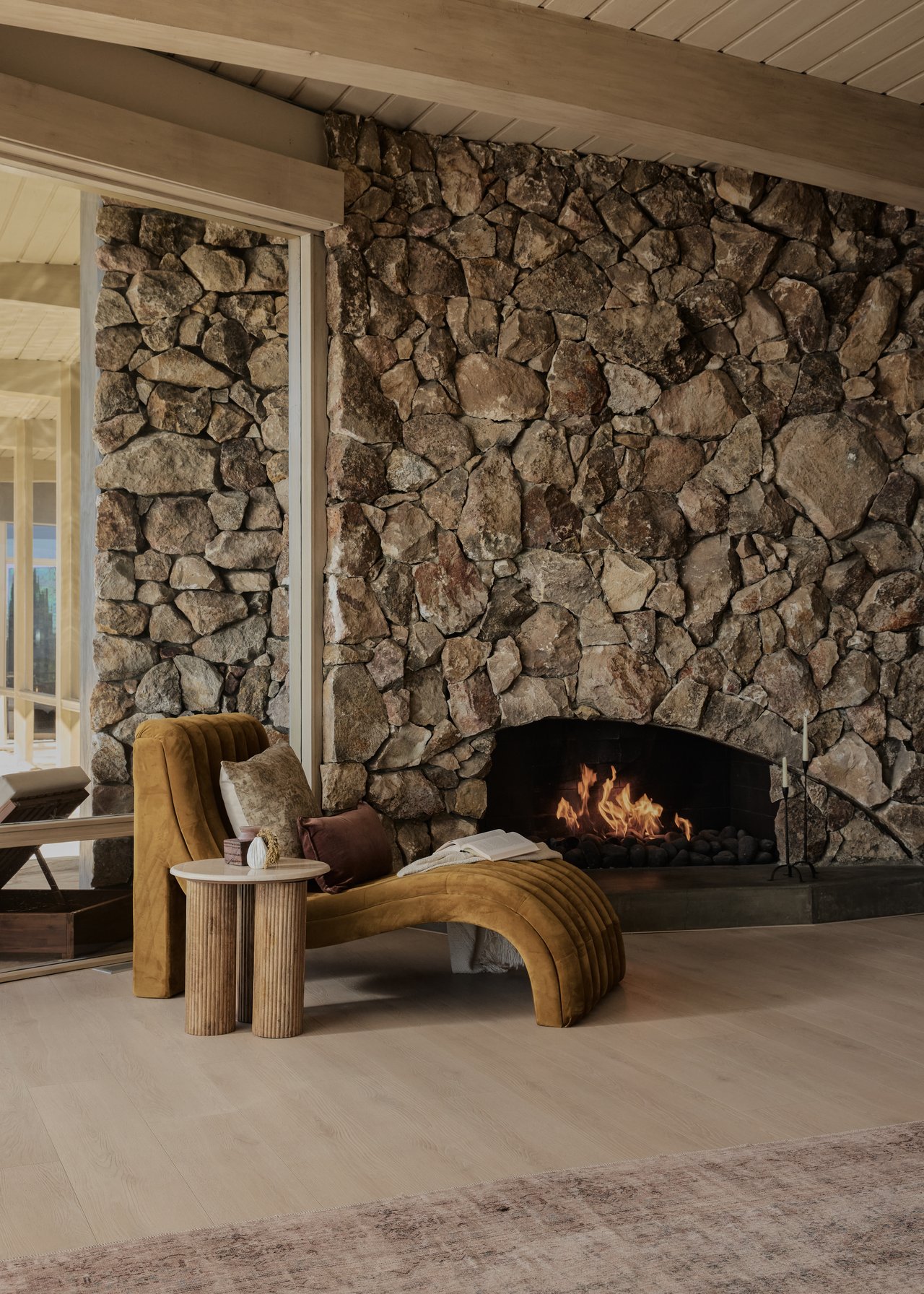
- Main living spaces: Declutter and create conversational seating. Use professionally selected art and accessories to add warmth.
- Kitchen: Clear counters, polish pro-grade appliances, and stage for entertaining flow. Keep styling elevated but not overly personal.
Outdoor spaces
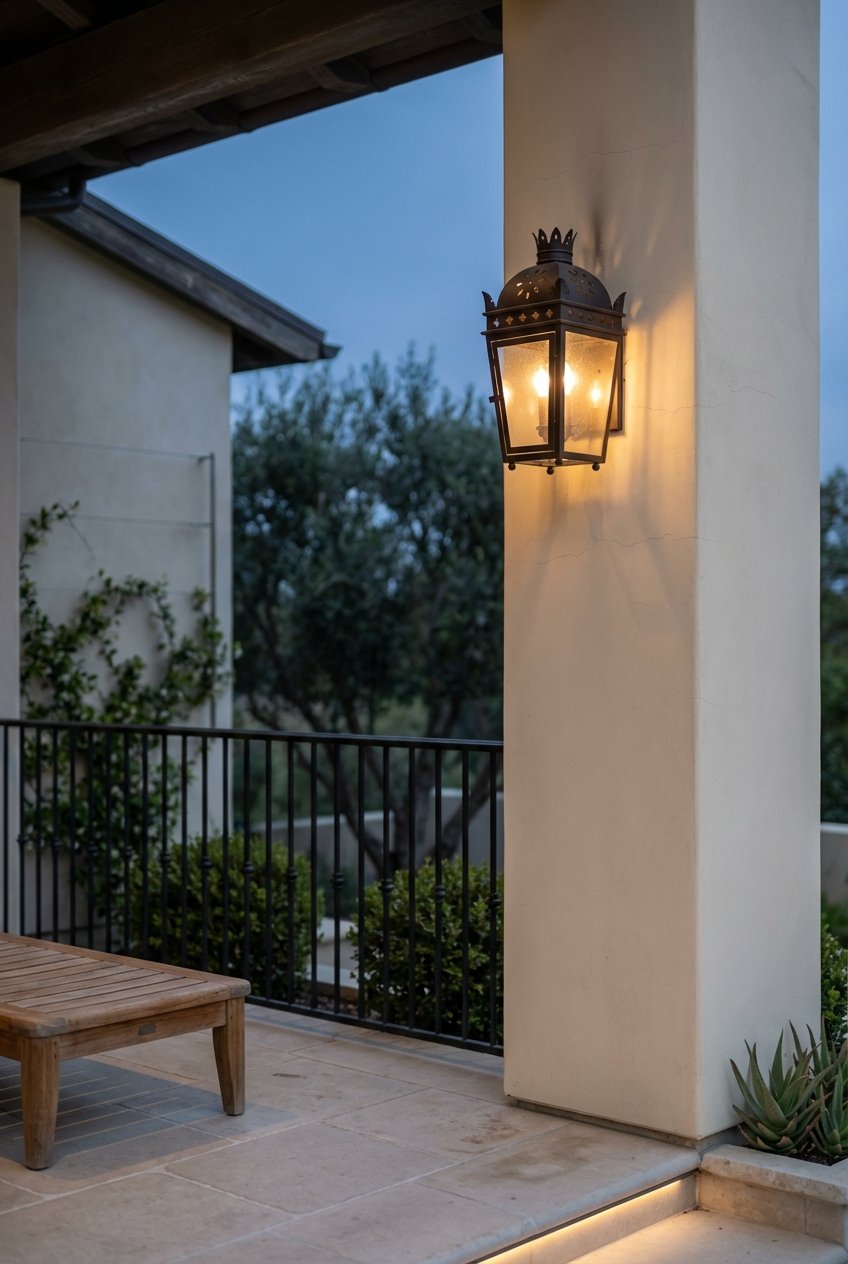
Refresh decking and hardscape. Stage multiple seating vignettes and dining zones. If you have a pool or water features, plan twilight photos to capture warm architectural light. Highlight privacy screens, motorized shades, outdoor kitchens, and heaters that extend evening use.
Landscaping and curb appeal
Use drought-tolerant, low-maintenance plantings with a native or Mediterranean palette. Hide hoses, bins, and utility gear on shoot days. Keep access routes to the beach or paths tidy and inviting.
Staging timeline and budget
Allow 5 to 10 business days for professional staging. Full or partial staging can both work. Digital staging is a useful complement for empty rooms or to show alternate uses, but it should not replace in-person presentation.
Photography, video, and tours that convert
High-end buyers rely on rich media to qualify showings. Floor plans, high-resolution photos, and 3D tours consistently rank among the most valued listing assets. Plan for all three on every luxury listing.
Photography deliverables
- 25 to 35 curated interior and exterior images
- Twilight exteriors to capture glow and view corridors
- Aerial images for context and ocean proximity where appropriate
- A short cinematic video (60 to 90 seconds)
- Downloadable floor plans and a hosted 3D tour
Time shoots to maximize natural light, and schedule twilight when winds are calm. Adjust dates if tides or busy beach activity would distract from your shots.
Drone rules to know
Use a licensed commercial drone operator with an FAA Part 107 Remote Pilot certificate. The LA area often requires specific airspace authorization. Verify the operator’s insurance and flight plan. You can review the basics of FAA Part 107 commercial drone rules.
Marketing reach and privacy options
Work with your agent on a distribution plan that fits your goals. Many luxury sellers prefer a dual-path approach: a private pre-market phase to gather feedback and a public launch that maximizes exposure.
- Public marketing: Full MLS exposure with broad portal syndication typically drives the greatest buyer pool. Align the launch with your media and staging timeline.
- Private options: Office Exclusive or Delayed Marketing can provide discretion while your team engages a vetted network. If you choose a limited distribution path, document the decision in writing and review MLS rules that govern when a listing must be filed if any public marketing occurs.
Your agent should align targeting with likely buyer profiles, including local and international reach, and use a dedicated property website for polished storytelling and lead capture.
Showing security and buyer vetting
Protect your privacy and time with a clear showing protocol. For high-profile or off-market showings, it is customary to request proof of funds or lender pre-approval before an appointment. Some sellers require a confidentiality agreement for off-market exposure. Schedule showings by appointment only, stagger arrival times, and confirm identities through the attending broker.
Remove or secure valuables. Limit on-site staff during showings. If desired, coordinate with private security. These steps keep the experience smooth and professional while protecting your home.
Offers and closing readiness
Expect a range of buyer types, from all-cash to financed with strong pre-approvals. Many luxury sellers prioritize certainty. Look for larger earnest deposits, shorter contingency periods, and clear paths on title and insurance. Entity purchases through trusts or LLCs are common. Work with your agent to set expectations and consult a real estate attorney and tax advisor for complex structures. Choose an escrow and title partner experienced in high-net-worth transactions, and use verified wire instructions to prevent fraud.
A step-by-step checklist
- Establish your price band: Review immediate comps plus premium neighborhood examples that reflect ocean views or North of Montana advantages.
- Complete disclosures: TDS, NHD, Seller Property Questionnaire if used, lead-based paint if applicable, and any special tax assessments.
- Order inspections: Systems audit for roof, HVAC, pool; termite and pest reports where indicated.
- Book your media team: Stager, photographer, videographer, drone pilot, and 3D provider. Schedule daylight and twilight shoots.
- Decide on privacy: Choose public MLS, Office Exclusive, or a phased launch. Sign the appropriate seller consent forms if limiting distribution.
- Finalize showing rules: Proof-of-funds or pre-approval, NDA if needed for off-market, broker previews, and security protocols.
Ready to launch with confidence?
If you want a private, polished path to market with data, storytelling, and discretion, partner with a team that lives this process every day. For a tailored plan for your Santa Monica property, schedule a private consultation with The Alligood Group.
FAQs
What do Santa Monica luxury buyers value most?
- Turn-key condition, indoor-outdoor flow, privacy, secure parking, ocean outlooks or proximity, and increasingly sustainability features like solar and EV charging.
Which disclosures are required to sell a Santa Monica home?
- Most sales require a Transfer Disclosure Statement and a Natural Hazard Disclosure. Lead-based paint, smoke and CO compliance, and any special assessments may also apply.
Do I need a Coastal Development Permit to sell?
- You do not need a new permit to sell, but any prior Coastal Development Permits or related actions should be disclosed. Review Santa Monica’s Local Coastal Program for context.
Should I do a pre-listing inspection on a luxury home?
- If your home is older or has complex systems, a pre-listing inspection can reduce surprises and support pricing. Use findings to guide repairs and disclosure accuracy.
Are drones allowed for real estate photography in Santa Monica?
- Yes, when operated by a licensed Part 107 pilot who follows FAA rules and obtains any required local airspace authorization. Always verify insurance and compliance.