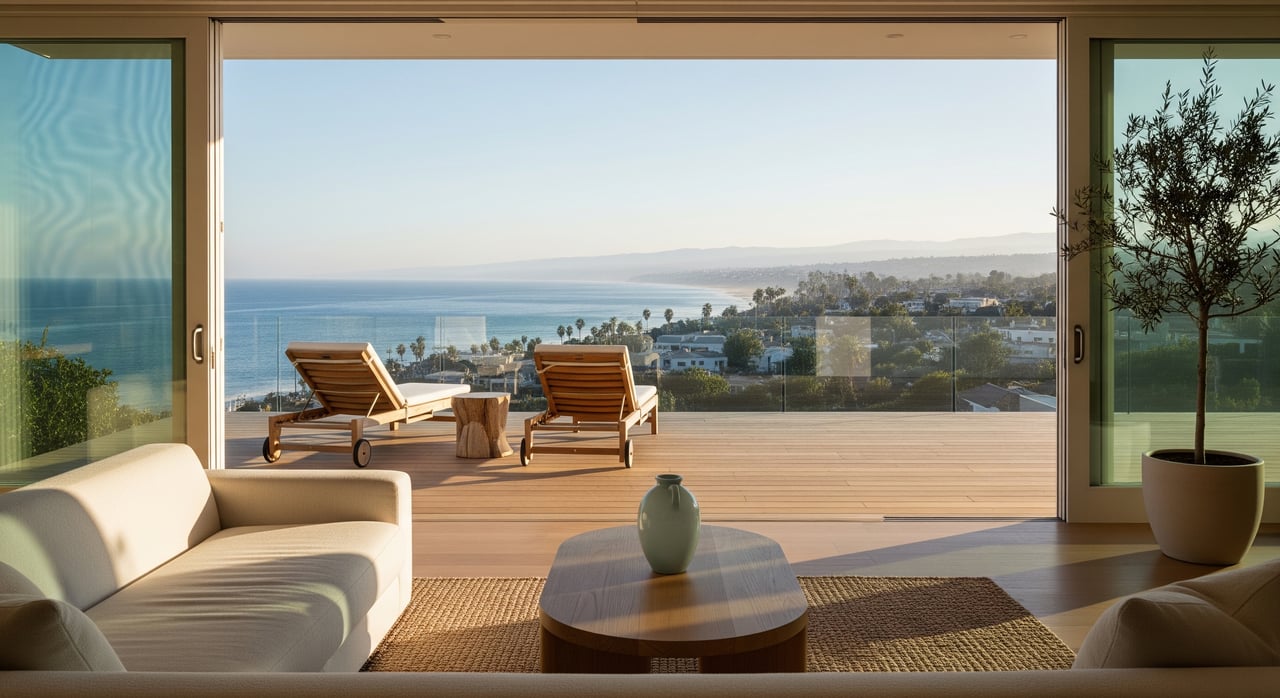
What does an ordinary Tuesday look like when the beach is your backyard? If you are imagining coffee at sunrise, errands on foot, and an easy jump to tech and creative hubs, you are on the right track. Santa Monica blends a relaxed coastal pace with real urban convenience. In this guide, you will see daily rhythms, access, housing types, and tradeoffs so you can decide if this is your place. Let’s dive in.
Morning rhythms by the water
Santa Monica mornings start outside. You will find joggers and cyclists on the Strand, surfers heading down to the water, and yoga or pilates on the sand. Palisades Park lines the bluff above Ocean Avenue and offers quiet paths with ocean views that set the tone for the day.
Summer mornings often bring a marine layer, known locally as June Gloom, that usually burns off by midday. The ocean breeze keeps temperatures mild compared with inland Los Angeles. If you prefer a gentle start, the Annenberg Community Beach House and nearby stretches of sand offer space to spread out before the daytime crowds arrive.
Midday errands and coffee stops
When it is time to run errands, you have a few go-to hubs. Third Street Promenade and Santa Monica Place offer mainstream retail and dining in a pedestrian setting. Montana Avenue brings independent boutiques, cafés, fitness studios, and services for a more local feel. Main Street delivers neighborhood restaurants and shops with a laid-back scene.
The Santa Monica Farmers Market is a weekly ritual for many residents. You can pick up peak-season produce, chat with growers, and plan dinners around what is fresh. It is a simple way to live closer to the coast-to-table lifestyle.
Evenings and weekends
Sunset is prime time at Palisades Park where you can watch the sky change with friends, family, or a quiet moment. Dinner plans range from ocean-view patios to cozy neighborhood spots on Montana or Main. Nightlife skews to restaurants and bars rather than clubs, with many places offering outdoor seating.
Seasonal events add energy throughout the year. You might catch street performances on the Promenade, community arts programming, or outdoor concerts that bring people together. Weekends often revolve around beach time, kids’ sports at local parks, and long walks that turn into dinner plans.
Getting around
On foot and bike
Central Santa Monica is highly walkable and bikeable. Many daily errands are possible without a car if you live near downtown, Montana Avenue, or the beach. The Strand provides a major recreational bike route, and the city has a growing network of bike lanes.
Light rail and buses
The Metro E Line terminates in Downtown Santa Monica and connects to Culver City and Downtown LA. It is a practical way to skip freeway traffic for select commutes. Santa Monica’s Big Blue Bus runs frequent routes around the Westside and links to nearby hubs.
Driving and parking
You will use Pacific Coast Highway, Lincoln Boulevard, and Ocean Avenue for most car trips. Expect congestion during commute hours and on summer weekends. Downtown and beach areas use metered and structured parking, while many residential streets have permit rules. Planning for guest parking is part of daily life.
Trips to other hubs
If you work in Silicon Beach nodes like Venice or Playa Vista, your commute can be short. Travel to central LA or the Valley varies by time of day and route. Light rail and bus options help for certain corridors, while peak-hour freeway driving can be slow.
Homes and neighborhoods
Santa Monica offers a mix of housing types. You will find single-family homes in established inland neighborhoods, mid-rise condos and apartments near commercial cores, and newer mixed-use buildings in select areas. Homes closest to the beach and with ocean views command a premium, and supply near the shoreline is constrained.
Condos and townhomes can be more attainable entry points than detached homes, but you should factor HOA dues and local taxes into your monthly budget. If you are considering investment property or a long-term lease, know that Santa Monica has a rent-control program administered by the local Rent Control Board. Zoning, community review, and coastal rules influence what can be built and how properties can be improved.
Everyday living essentials
Health care
Providence Saint John’s Health Center provides full-service hospital care in the city. You will also find a range of clinics, specialists, and wellness providers nearby.
Schools and learning
Public schools are operated by the Santa Monica-Malibu Unified School District. Santa Monica High School and several elementary and middle schools serve city neighborhoods. Santa Monica College brings a large student community and respected transfer pathways to four-year universities.
Fitness culture
Outdoor fitness is part of the culture. You can join beachfront yoga, group runs, or strength sessions in parks. Boutique studios, pilates, barre, HIIT, and specialty trainers cluster along Montana Avenue and Main Street, so your workout is often a short walk or bike ride away.
Tradeoffs to weigh
- Cost of living: Santa Monica is one of the more expensive markets in Greater Los Angeles. Budget for higher purchase prices or rents and ongoing costs like HOA dues for condos.
- Space and lot size: Yards are smaller near the beach. Many buyers choose inland blocks for more space while staying close to the coast.
- Tourism patterns: The Pier, Promenade, and beachfront draw visitors, which means weekend crowds, noise, and parking pressure in those zones. Most residential streets away from the waterfront are calmer.
- Parking management: Expect meters, structured garages, and residential permit rules. Plan for guest parking if you host often.
- Coastal upkeep: Salt air can increase maintenance on exterior finishes, metalwork, and HVAC systems. Insurance and HOA requirements are part of the equation for many properties.
- Long-term resilience: The city plans for sea-level rise and climate impacts in its official documents. If you are focused on long-term holding, include resilience and permitting in your due diligence.
Who Santa Monica fits
- Tech and creative professionals who want short Westside commutes or hybrid work with beach access.
- Households seeking parks, community events, and public school options within SMMUSD.
- Downsizers who want low-maintenance condos near dining and culture.
- Investors assessing multi-unit or condo assets within a rent-control framework.
A day-in-the-life snapshot
- Morning: Coffee, a jog on the Strand, and a quick stretch at Palisades Park before the marine layer lifts.
- Midday: Farmers market run, errands at the Promenade, and a pilates class on Montana Avenue.
- Afternoon: Light rail to a meeting in Culver City or a short drive to Venice for a client lunch.
- Evening: Sunset walk along Ocean Avenue, dinner on a neighborhood patio, and an easy ride home.
Ready to explore properties that match the way you actually live day to day? Schedule a private, curated tour and get guidance on off-market access, condo versus single-family tradeoffs, and neighborhood nuance with The Alligood Group.
FAQs
What does daily life feel like in Santa Monica?
- Expect beach-centered mornings, walkable midday errands, and restaurant-forward evenings, with seasonal events and a mild, ocean-cooled climate.
How does tourism near the Pier affect residents?
- Areas by the Pier, Promenade, and beachfront see weekend crowds, noise, and parking pressure, while most residential blocks farther inland are quieter.
Is Santa Monica walkable for errands and dining?
- Central neighborhoods like downtown, Montana Avenue, and the beach area are highly walkable and bikeable, so many daily needs are close by.
What commute options exist from Santa Monica?
- The Metro E Line serves trips to Culver City and Downtown LA, Big Blue Bus covers the Westside, and driving on PCH or Lincoln connects you to regional freeways.
What housing types are common near the coast?
- You will find condos and mid-rise buildings near commercial cores and the beach, with single-family homes more common in established inland neighborhoods.
Are there special rules for rentals and investments?
- Many multi-unit properties fall under Santa Monica’s rent-control program, and local zoning and coastal regulations guide development and improvements.
What should I budget for coastal maintenance?
- Salt air can accelerate wear on exterior finishes and systems, and condos often include HOA dues; plan for these ongoing costs in your monthly budget.