If you are choosing between a Bel Air new build and a classic estate, the real question is not simply old versus new. In Bel Air, the lot, the hillside, the road access, and the property’s history can shape your experience just as much as the architecture itself. Understanding those differences can help you buy with more clarity, protect your downside, and focus on the kind of home that truly fits your goals. Let’s dive in.
Why Bel Air Offers Two Paths
Bel Air’s housing mix did not happen by accident. According to the SurveyLA report for Bel Air–Beverly Crest, the neighborhood was shaped by early estate planning, large hillside lots, planted landscapes, and a design approach that encouraged visual harmony across the community.
That history still shows up in today’s inventory. You will find homes from multiple eras and styles, including Spanish Colonial Revival, Tudor Revival, Colonial Revival, Mediterranean Revival, Mid-Century Modern, and Ranch, as documented in the same SurveyLA Bel Air–Beverly Crest survey.
Topography is the other major reason Bel Air produces two distinct housing products. The area includes steep hillsides, canyons, narrow winding roads, and some limited-access streets, which means site conditions often influence what can be built, expanded, or renovated.
What Defines a Classic Estate
In Bel Air, a classic estate is usually about more than the main house. The SurveyLA report describes larger properties that may include a main residence, guest house, pool house, detached garage, and landscaped grounds, all of which contribute to the property’s overall presence.
For many buyers, that appeal is hard to replicate. Mature landscaping, established privacy, architectural pedigree, and a sense of permanence often make classic estates feel more rooted and composed than a newly redeveloped parcel.
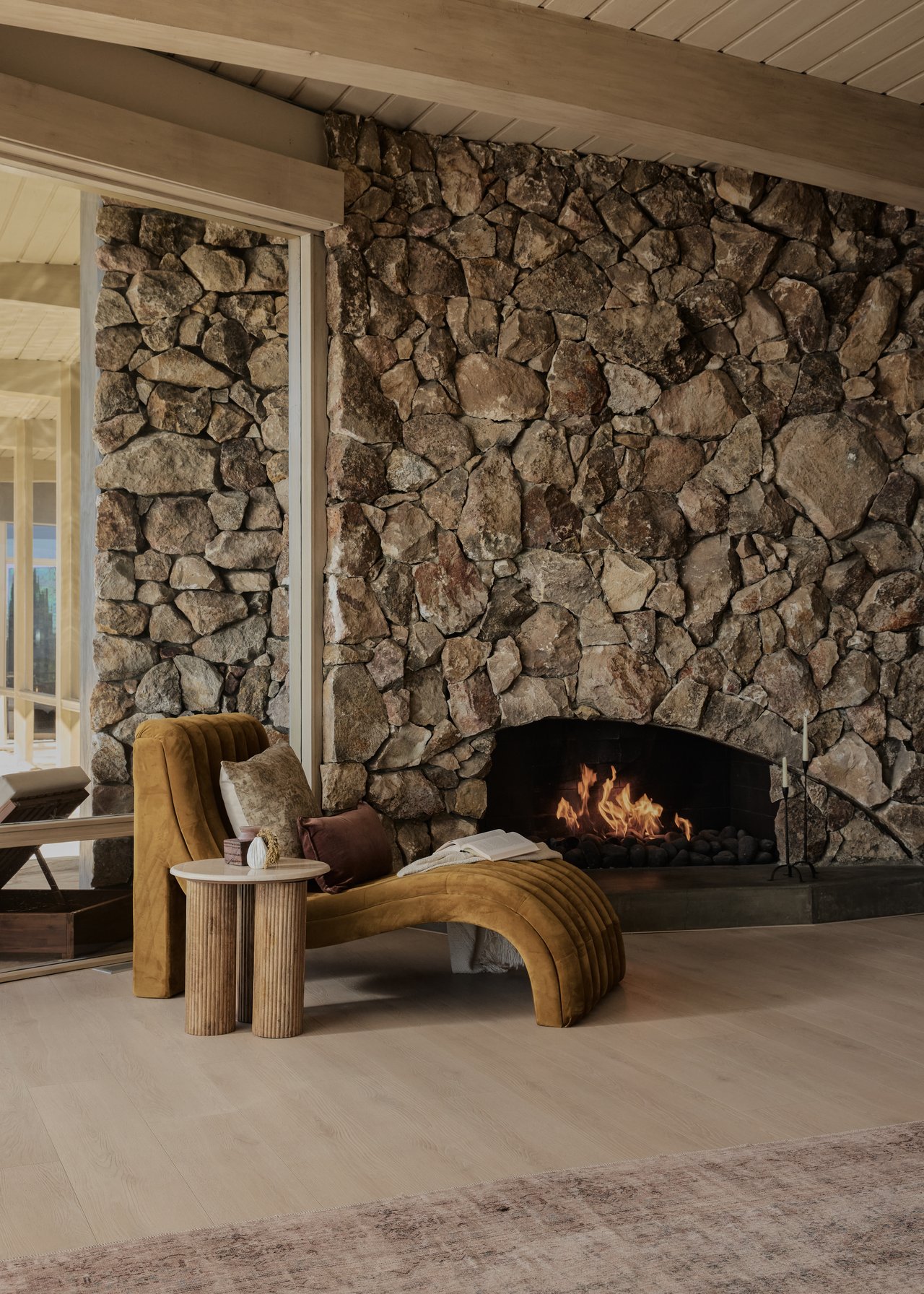
It is also important to remember that “classic” does not only mean formal or traditional. Bel Air’s older housing stock includes Mid-Century Modern and Ranch homes too, so the category can cover a wide range of aesthetics while still sharing the same core traits of age, site complexity, and renovation sensitivity.
Why Buyers Choose Classic Homes
Buyers are often drawn to classic estates for a few clear reasons:
- Land presence and larger overall composition
- Architectural character tied to a specific era
- Mature grounds that can take decades to recreate
- Privacy and separation created by estate-style planning
- Long-term prestige associated with established Bel Air addresses
If you value provenance and setting as much as finishes, a classic estate can offer something deeply compelling.
What to Expect From a New Build
In Bel Air, a new build is often not a house on a newly opened tract. Because most buildable land in the area had been improved by 1972, many newer homes are the result of redevelopment on an existing estate parcel.
That matters because the site usually comes first. In practice, a new home in Bel Air is often shaped by lot geometry, slope, retaining needs, access constraints, and what local rules allow, rather than by design preference alone.
Los Angeles hillside rules reinforce that reality. The city’s Hillside Area Development Standards for single-family zones address issues such as street access, setbacks, height limits, lot coverage, grading, and parking, all of which can materially affect a project’s final form.
Bel Air also falls within the Hillside Construction Regulation district, which adds more controls for certain larger projects. As outlined in Zoning Information No. 2467, that framework can affect grading, hauling operations, construction hours, and site plan review.
Why Buyers Choose Newer Homes
For many buyers, new builds offer a different kind of luxury:
- Turnkey condition with less immediate renovation pressure
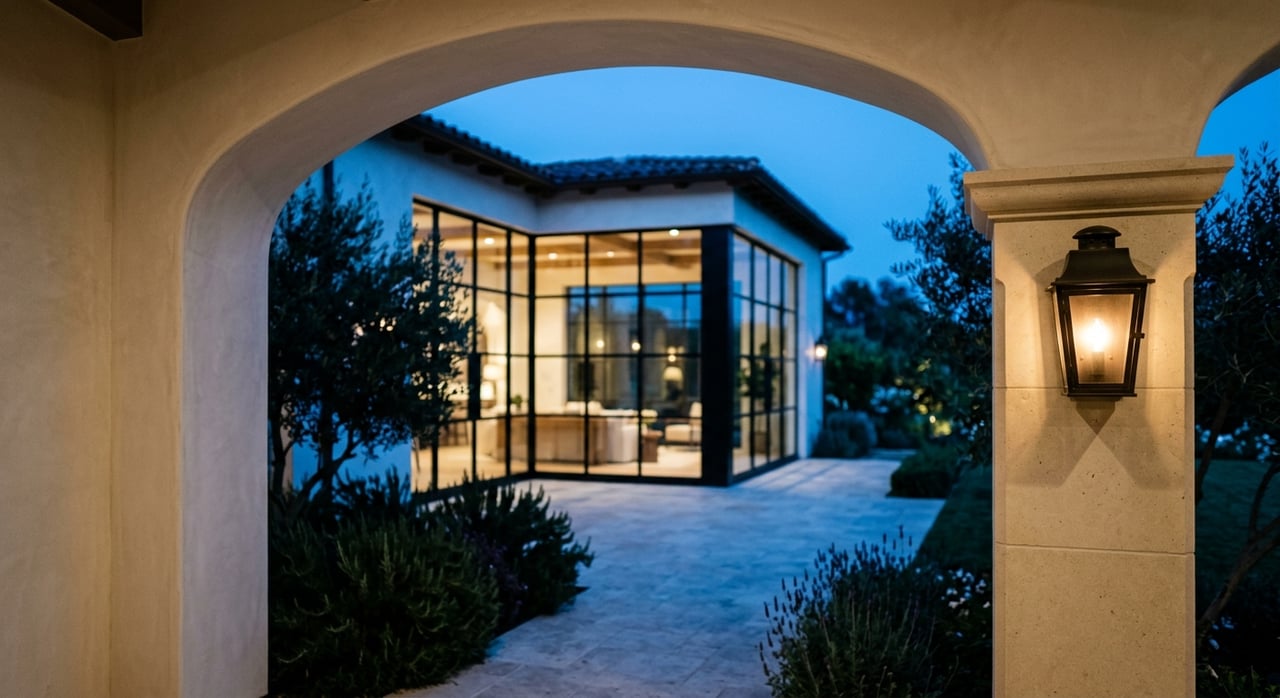
- Contemporary layouts designed for current living patterns
- Newer systems and materials that may reduce short-term deferred maintenance
- Cleaner execution for buyers who prefer a more modern finish palette
The tradeoff is that some of the purchase price may reflect complex engineering, grading work, retaining walls, access solutions, and premium construction costs tied to hillside development.
The Real Tradeoff: Character Versus Certainty
The decision between a new build and a classic estate often comes down to what kind of uncertainty you prefer. With a classic estate, the beauty may be obvious from day one, but the real cost of modernization can be less predictable. With a newer home, the finish level may feel immediate and easy, but your confidence should depend on the quality of planning, engineering, permits, and construction execution.
That is why cosmetic comparisons can be misleading in Bel Air. A dramatic kitchen or polished primary suite may look great in photos, but long-term value is often tied more closely to legal grading, retaining systems, slope stability, and overall site planning.
Due Diligence for Classic Estates
Older homes can be extraordinary, but they deserve a more careful review. The EPA notes that homes built before 1978 are more likely to contain lead-based paint, and it recommends certified inspection or risk assessment before renovation work.
The EPA also explains that asbestos-containing materials can become hazardous when disturbed during remodeling, and repair or removal should be handled by trained, accredited professionals. In practical terms, that means an elegant older estate may also come with added cost, planning, and time if you intend to update it.
For classic properties, your review should usually focus on:
- Building systems and deferred maintenance
- Renovation scope and code-compliance needs
- Presence of pre-1978 materials
- Historic or preservation-related considerations where relevant
- Site-specific constraints that may affect additions or changes
Due Diligence for New Builds
Newer homes may reduce renovation uncertainty, but they still require disciplined review. In Bel Air, the key questions are often about what happened below the surface before the finishes ever went in.
You will want to understand whether the lot was fully and legally graded, whether retaining walls and slope conditions were appropriately addressed, and how the project fits within the city’s hillside development framework. This is where structural and geotechnical review can become especially valuable.
A strong new build should not only look polished. It should show evidence of thoughtful engineering, good site management, and a permit history that supports the final product.
Wildfire Readiness Matters for Both
Whether you are buying old or new, wildfire preparedness should be part of your evaluation in Bel Air. According to CAL FIRE’s home hardening guidance, the first five feet around the home is the most critical defensible-space zone, and the agency recommends attention to ember-resistant materials, vents, decks, and eaves.
For a new build, this may show up in material choices and detailing. For a classic estate, it may affect landscaping strategy, exterior upgrades, and future renovation priorities.
Either way, fire resilience is not a side issue in hillside Los Angeles. It is part of how you assess long-term livability and risk.
Bel Air Market Context
Bel Air remains firmly in the luxury tier, but it is also a segmented market where property-level factors can matter more than broad averages. As a directional snapshot, Zillow reported an average home value of $4,105,398 as of March 31, 2026, while the research report also cites Redfin’s February 2026 median sale price of $3,255,500.
Those figures use different methodologies, so they are best read as broad context rather than a substitute for property-specific analysis. In Bel Air, value can shift meaningfully based on privacy, view orientation, lot geometry, access, architectural pedigree, and the likely cost of bringing a home to your preferred standard.
Which Bel Air Home Fits You Best?
A classic estate may be the better fit if you care most about land, presence, mature grounds, and architectural character. A new build may suit you better if you prioritize a turnkey lifestyle, current layouts, and less immediate renovation work.
Neither option is inherently better across the board. In Bel Air, the best choice is usually the one that matches your risk tolerance, aesthetic priorities, timeline, and willingness to take on site or systems complexity.
If you are weighing Bel Air opportunities, the smartest move is to compare each property as both a home and a hillside asset. For tailored guidance, discreet access, and a concierge-level buying experience, connect with The Alligood Group.
FAQs
What is the main difference between a Bel Air new build and a classic estate?
- A new build usually offers turnkey condition and contemporary design, while a classic estate often offers more land presence, mature landscaping, and architectural character.
Why are Bel Air new builds often redevelopment projects?
- Because the SurveyLA report notes that most buildable land in Bel Air had been improved by 1972, many new homes are built on existing estate parcels rather than on newly created lots.
What should buyers check when buying a classic Bel Air estate?
- Buyers should review building systems, deferred maintenance, possible lead-based paint or asbestos concerns, renovation scope, and any site or preservation constraints that may affect future work.
What should buyers check when buying a Bel Air new build?
- Buyers should focus on grading, retaining walls, slope stability, access, permit history, and whether the property appears well aligned with hillside development standards.
Why is wildfire readiness important for Bel Air homes?
- Bel Air’s hillside setting makes fire resilience relevant for both older and newer homes, especially around defensible space, ember-resistant materials, decks, vents, and eaves.
How should buyers interpret Bel Air market pricing data?
- Broad market figures can provide helpful context, but in Bel Air, value often depends more on property-specific factors like views, privacy, lot geometry, architecture, and site complexity than on neighborhood averages alone.