What catches your eye first in Venice: a sunlit bungalow porch, a quiet walk street, or a glassy rooftop deck facing the Pacific? If you are design minded, Venice rewards you at every turn. You get a rare blend of historic character, creative live‑work spaces, and modern compounds, all in a tight coastal fabric. In this guide, you will learn the key architectural moments, micro‑neighborhood cues, and permitting realities that shape homes here. Let’s dive in.
Venice at a glance
Venice started as Abbot Kinney’s seaside vision in 1905, complete with canals, amusements, and compact tracts that still guide the neighborhood’s small‑lot feel. For quick context on the origin story, explore the local history of the “Venice of America,” which helps explain why front porches and alley access appear so often in listings. You will see that early plan in today’s streets, gardens, and tight parcels. For many buyers, that sense of scale is part of Venice’s charm.
The canals remain a signature. The surviving network is listed as the Venice Canal Historic District and was substantially rehabilitated in the early 1990s. The bridges, linear lots, and water‑oriented frontages shape both the look and the lifestyle. It is one of the most distinctive residential settings on the Westside.
Venice also has a deep creative arc, from midcentury studios to late 20th‑century experimental modernism, and later a tech‑era influx that energized Abbot Kinney. That mix continues to influence what gets built, how homes are styled, and what buyers value on a block by block basis.
- Learn about the historic roots at the Venice of America site: a concise local history.
- See the canal district’s designation in the National Register: Venice Canal Historic District.
- For context on coastal planning and future updates, review the City’s LCP work: Venice Local Coastal Program.
- Read about how creative firms shaped the scene along Abbot Kinney: LA Times coverage of local change.
The residential styles you will notice
Turn‑of‑the‑century bungalows and courts
You will see early bungalows on inland blocks and walk streets. Look for low roofs, front porches, narrow footprints, and layered gardens. Interiors often blend original wood or plaster with updated kitchens. If you prefer a compact yard and a classic feel, these homes deliver that everyday indoor‑outdoor rhythm.
Walk‑street cottages on the “Places”
Marco Place, Nowita, Amoroso, and Crescent feel like little garden lanes. Homes face a pedestrian path, with garage or service access at the alley. Street privacy is high, and front yards act like outdoor rooms. If you care more about walkability and neighborly charm than a front driveway, these blocks are worth your time.
Canal‑front houses on narrow “islands”
On the canals you get arched bridges, low seawalls, small docks, and a photogenic mix of preserved cottages and bold modern replacements. Lots are narrow and linear, so many homes stack space and use glass to pull in light and views. If water adjacency and a one‑of‑a‑kind setting speak to you, the canals create a lifestyle that is hard to duplicate.
Live‑work lofts and converted studios
Near Market Street and Abbot Kinney, you will find industrial bones with tall ceilings, roll‑up doors, and in some cases legal live‑work entitlements. Many started as artist spaces and now suit entrepreneurs and remote creative teams. If you want a storefront vibe or a workshop at home, this typology tells the Venice story well. For background on the area’s creative shift, see the LA Times report on local real estate and tech.
Midcentury and contemporary beachfront compounds
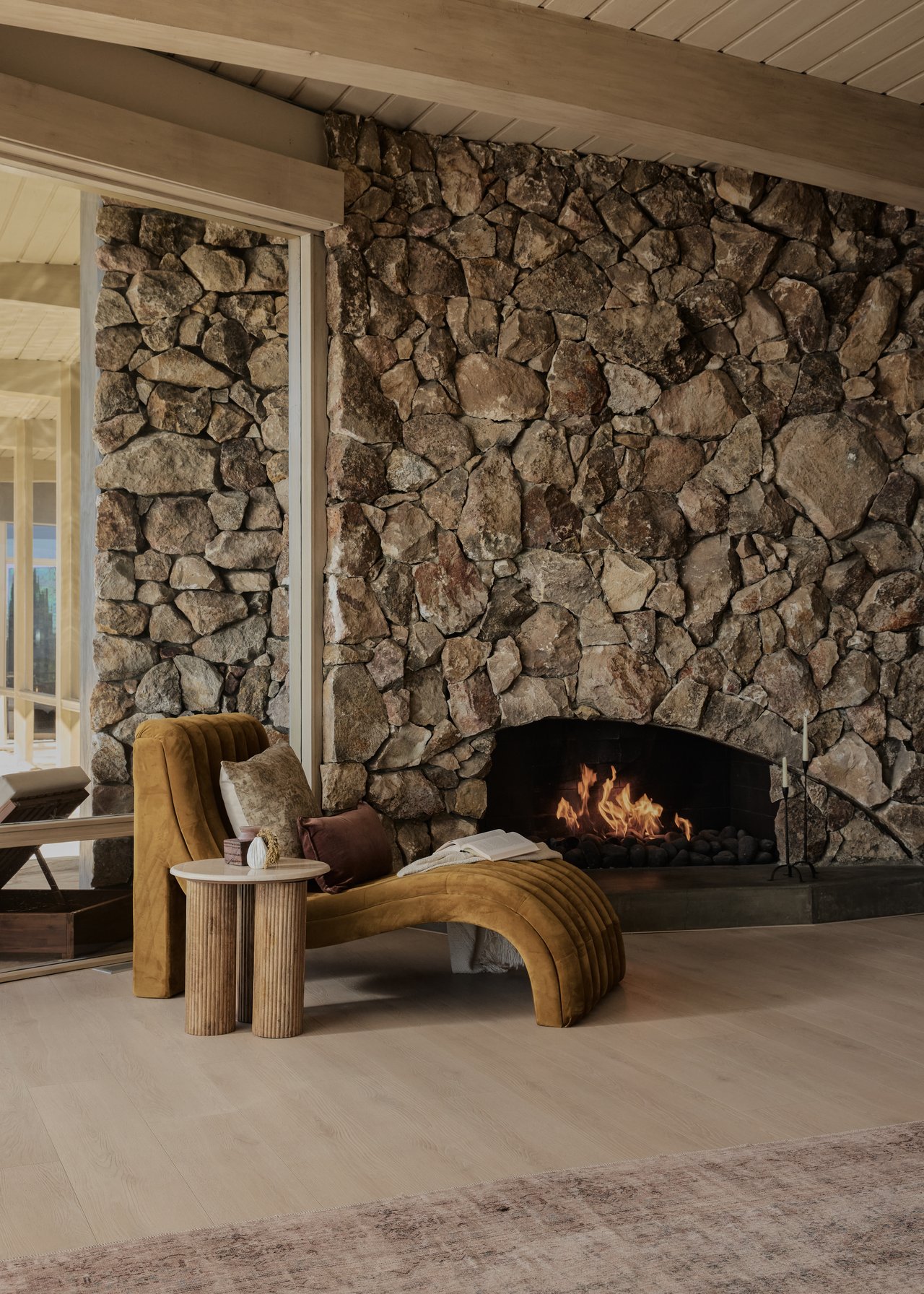
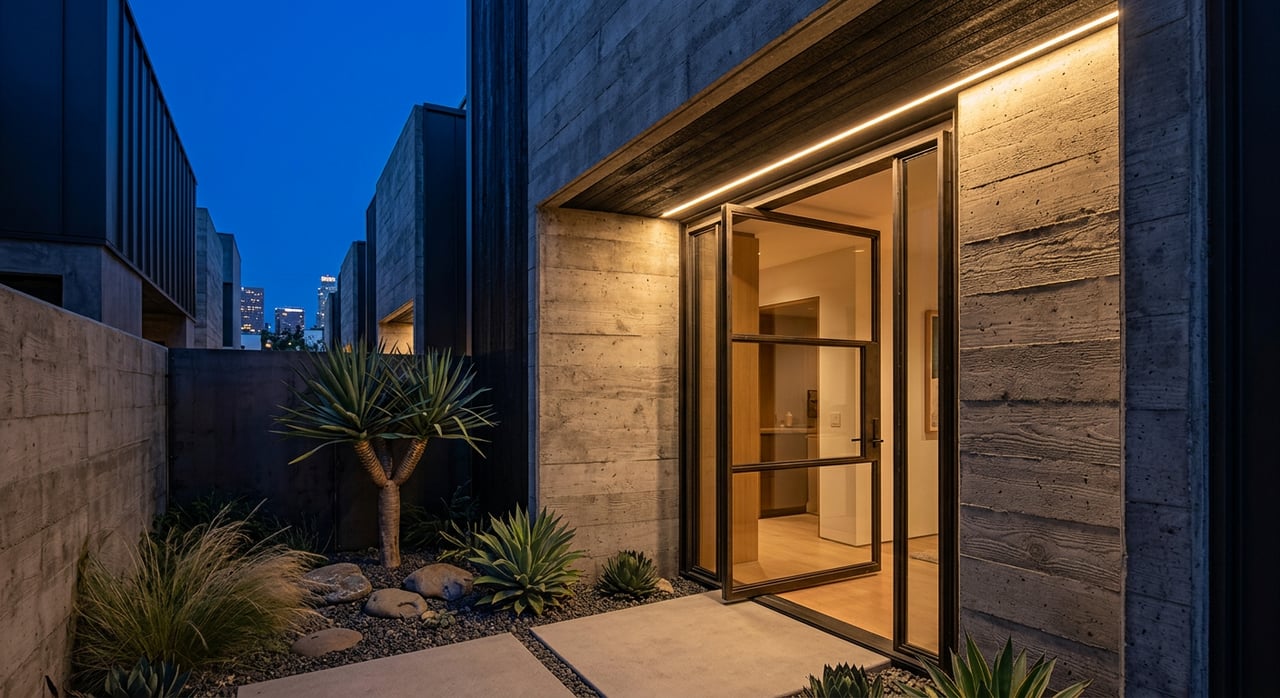
Ocean‑edge properties often combine multiple structures or large modern replacements. Expect generous decks, pools, indoor‑outdoor rooms, roof decks, and a palette of wood, concrete, and steel. These are the homes you see in design press, with warm evening light and framed horizon views. A recent example captures the tone of indoor‑outdoor living in Venice, featured by Dwell.
Small‑lot infill, duplexes, and ADU‑rich parcels
You will notice more duplex forms, backyard cottages, and garage‑to‑studio conversions. State reforms expanded the path for ADUs and, under SB9, ministerial two‑unit projects and certain lot splits. These can support multigenerational living or rental income. The coastal zone and local standards still apply, so plan with the rules in mind. Read the state’s ADU guidance from HCD, and see the legislative text of SB9 for the base framework.
- State ADU overview: California HCD ADU guidance
- SB9 bill text: Two‑unit projects and urban lot splits
Micro‑geographies to know
Walk streets
These pedestrian‑first blocks feel tucked away, yet they sit near the boardwalk and Abbot Kinney. The visual language is human scale, with planted frontages and porch life. Use street names like Marco, Nowita, Amoroso, and Crescent as signposts when you compare listings.
The Venice Canals
The canal district’s narrow waterways, bridges, and public walkways create a unique streetscape. Lots face the water rather than the typical west‑facing ocean orientation. Expect strong visual anchors in any direction. The National Register listing offers a concise description of the district’s significance and layout.
Abbot Kinney Boulevard
This is the design retail spine that sets a tone for Venice today. You will find galleries, design shops, and small‑scale commercial architecture, often in converted bungalows or adaptive reuse. For a snapshot of the boulevard’s design culture, browse Architectural Digest’s guide to can’t‑miss shops.
Oceanfront and the boardwalk edge
Beachfront parcels face a lively public realm. Architecture here balances wide‑open views and skylines with privacy and sound management. If you are a sunset‑and‑sand person, the tradeoff is worth it. If you want full quiet, weigh set‑back streets or canals.
Oakwood and social history
Oakwood carries an important African‑American and working‑class history, reflected in bungalow clusters and locally designated properties. Referencing this adds cultural depth to any home search or story. To learn more, see the LA Conservancy profile of the Irvin Tabor residences.
Renovation and permitting realities
Much of Venice sits in the Coastal Zone, and the City maintains a certified Venice Land Use Plan. The City is also advancing a Local Coastal Program update that addresses sea‑level rise, public access, and neighborhood character. This context affects height, setbacks, and in some cases public access conditions. Major additions, new construction, and ocean‑edge work can trigger Coastal Development Permit review or appeal.
State reforms open doors for ADUs and SB9 projects, but sites in historic districts or with certain tenant conditions may be exempt. In Venice, objective local standards and coastal rules still shape what you can build. Plan early, compare timelines, and expect more review for projects near the shoreline or on designated properties.
Use this quick buyer checklist before you plan scope or pricing:
- Verify zoning and overlays. Start with ZIMAS to confirm base zoning, Specific Plan areas, and any local designations. The City Planning counter can clarify parcel constraints.
- Check coastal and permit history. Review records for past coastal permits or conditions that could affect additions or decks.
- Confirm historic status. Look for Historic‑Cultural Monuments or local designations that change demolition and alteration options.
- Assess flood and resilience context. Note sea‑level considerations in low‑lying areas, and ask your architect about design responses.
- Map lot lines and easements. Alley access is common, and recorded easements can shape parking or service entries.
Helpful links as you research:
- Coastal planning context: Venice Local Coastal Program
- Parcel research portal: ZIMAS property information
- ADU and SB9 frameworks: HCD ADU guidance and SB9 bill text
Design cues that work in Venice homes
You will see a few interior themes repeat because they fit the climate, lot sizes, and beach routines. Consider these features as you tour:
- Skylights and clerestories to bring daylight deep into narrow footprints.
- Open kitchens that flow to a deck or courtyard for casual entertaining.
- Mezzanine studios or flexible lofts for creative work at home.
- Outdoor showers and mud rooms designed for beach gear.
- Garage‑to‑studio conversions and integrated workshop zones.
- Built‑in storage for surfboards and bikes, placed near side yards or alleys.
If you are comparing properties, note the little functional moves. Do bedrooms borrow light through high windows for privacy. Does the front garden act as an outdoor room on a walk street. Is there a roof deck with a partial wind screen. These touches tell you how well a home fits Venice living.
How to tour Venice like a designer
- Start on a walk street. Experience the porch life and garden scale. Notice how garages pull to the alley.
- Cross the canals. Pay attention to setbacks, bridge alignments, and how homes open to water.
- Loop Abbot Kinney. Read the storefront scale and adaptive reuse. It sets the tone for nearby residential streets.
- Finish at the ocean edge. Weigh view corridors against privacy and sound. Look at how compounds buffer living areas from the public realm.
As you jot notes or capture images, label the lot type, orientation, and parking approach. For example: walk‑street lot, western light, rear alley access. These quick tags make it easier to compare homes later.
Working with a Venice specialist
Venice is equal parts atmosphere and process. The right advisor will help you read street patterns, identify lot types, and navigate coastal rules without slowing your timeline. If you want private access to design‑forward inventory, discreet guidance on off‑market options, or a clear plan for ADU or SB9 potential within coastal limits, our team can help. For a tailored strategy that fits how you live and invest, connect with The Alligood Group. Schedule a Private Consultation.
FAQs
What defines Venice’s architectural character compared to other LA beaches
- A tight small‑lot fabric, historic canals, walk streets, adaptive reuse on Abbot Kinney, and a visible mix of preserved cottages and modern compounds.
Where should I start if I am planning an addition in Venice’s Coastal Zone
- Review the City’s Venice Local Coastal Program page, confirm zoning and overlays in ZIMAS, and speak with your architect about coastal permits and objective standards.
How do ADUs and SB9 affect what I can build in Venice
- State law opens paths for accessory units and certain two‑unit projects or lot splits, but sites in historic areas or within coastal rules face added standards, so check parcel specifics.
What are the tradeoffs of oceanfront homes near the boardwalk in Venice
- You gain views and direct beach access, but you must plan for privacy and sound; many compounds use layered outdoor rooms and glazing to balance exposure.
Which Venice micro‑areas should I know as a first‑time buyer
- The walk streets around Marco, Nowita, Amoroso, and Crescent, the Venice Canals, Abbot Kinney’s retail corridor, and Oakwood for added cultural history.